Nirekha Summit Success 2026: ACE Team Reaches 6,159 m
Home / Nirekha Summit Success 2026: ACE Team Reaches 6,159 m

Nirekha Summit Success 2026: ACE Team Reaches 6,159 m


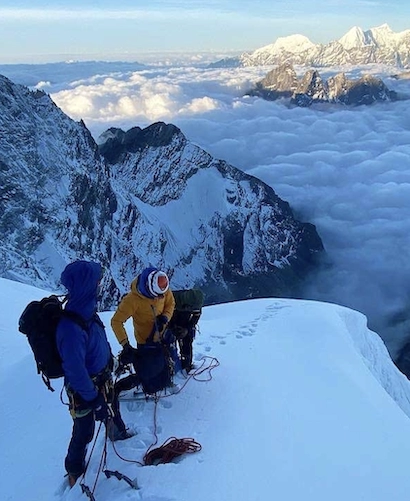
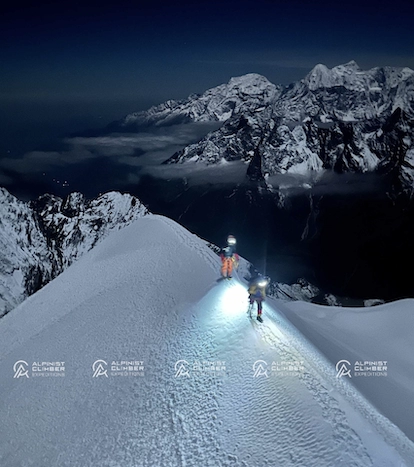
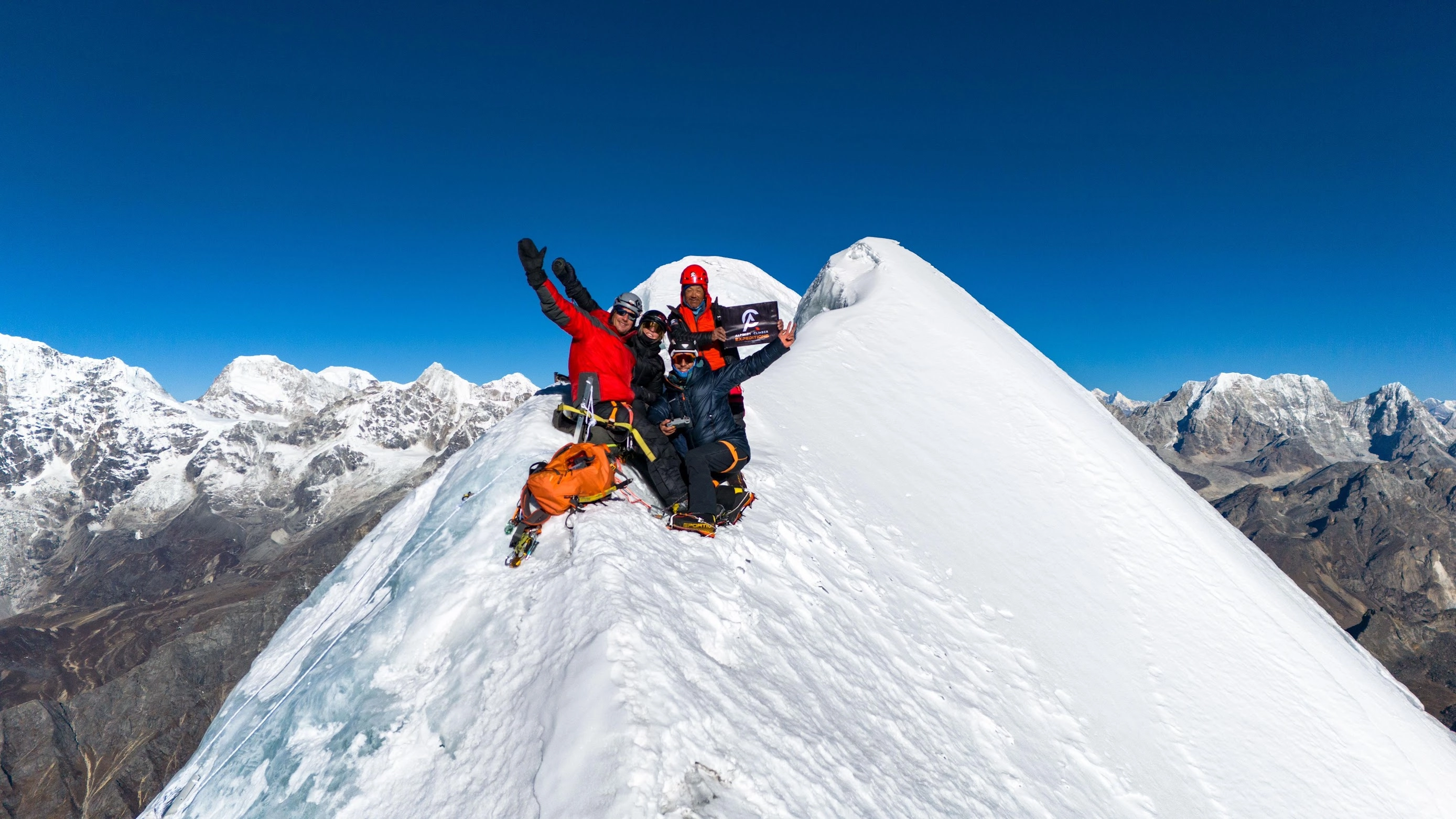
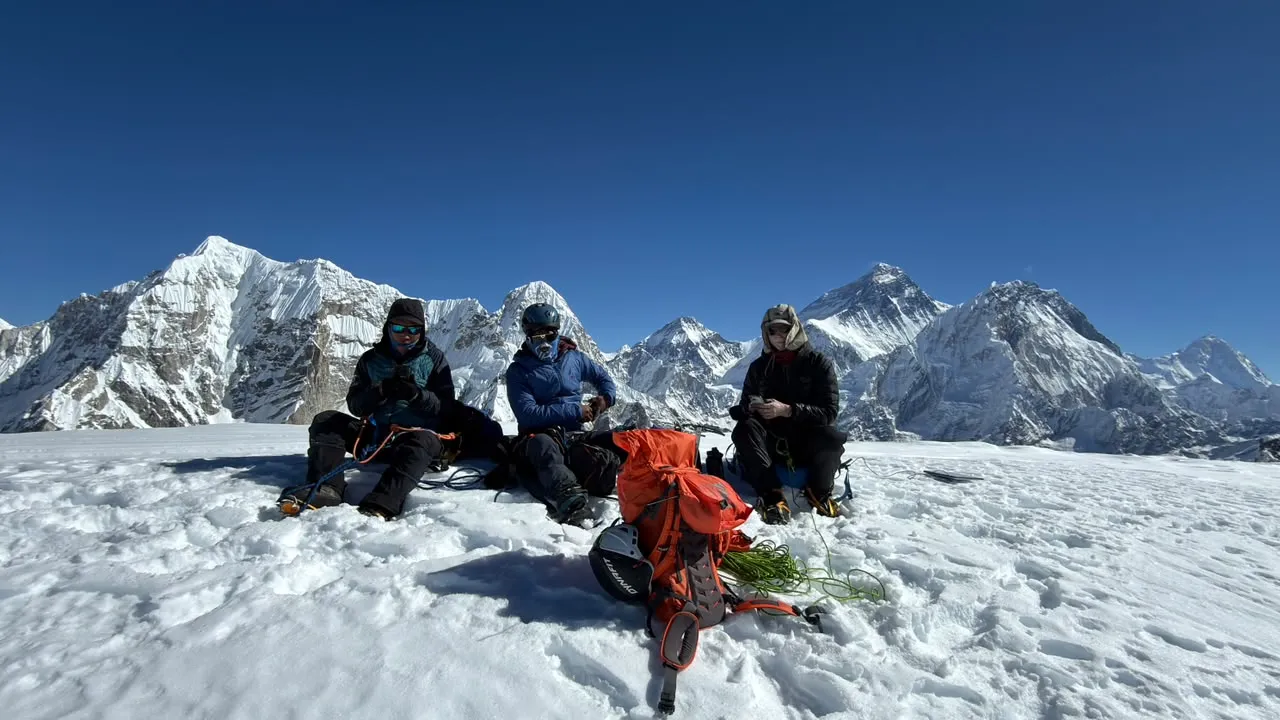
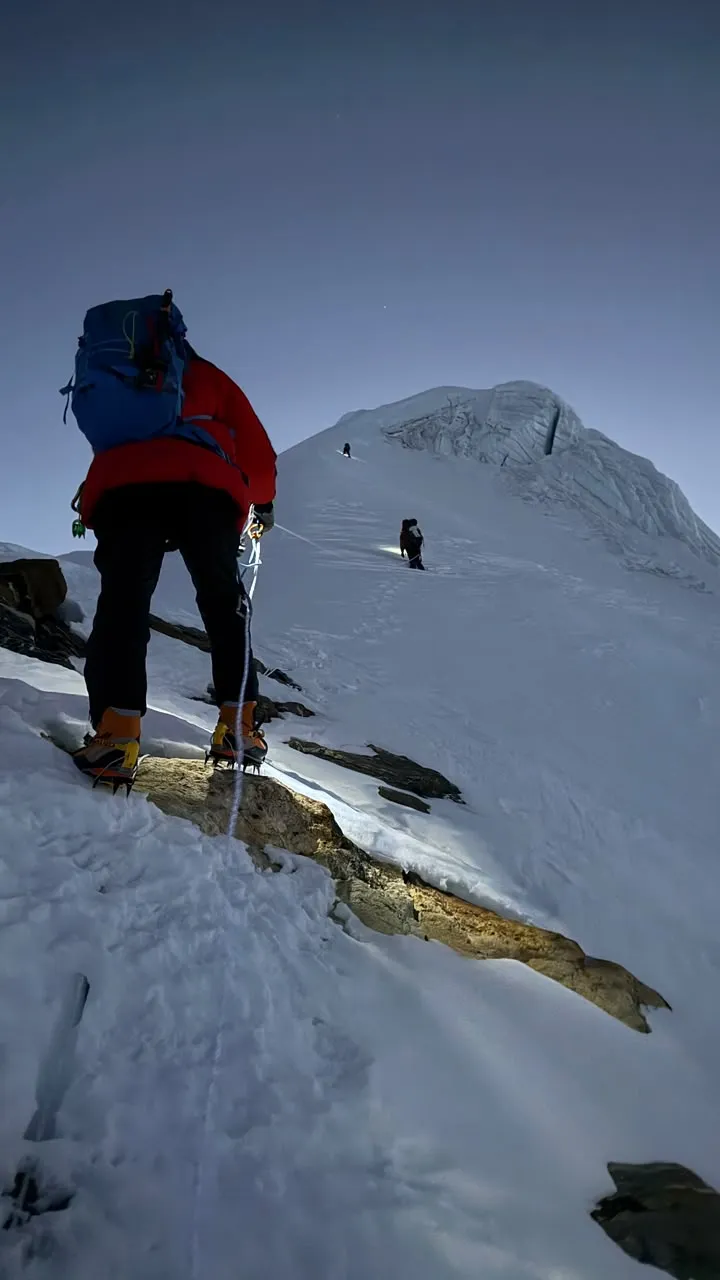
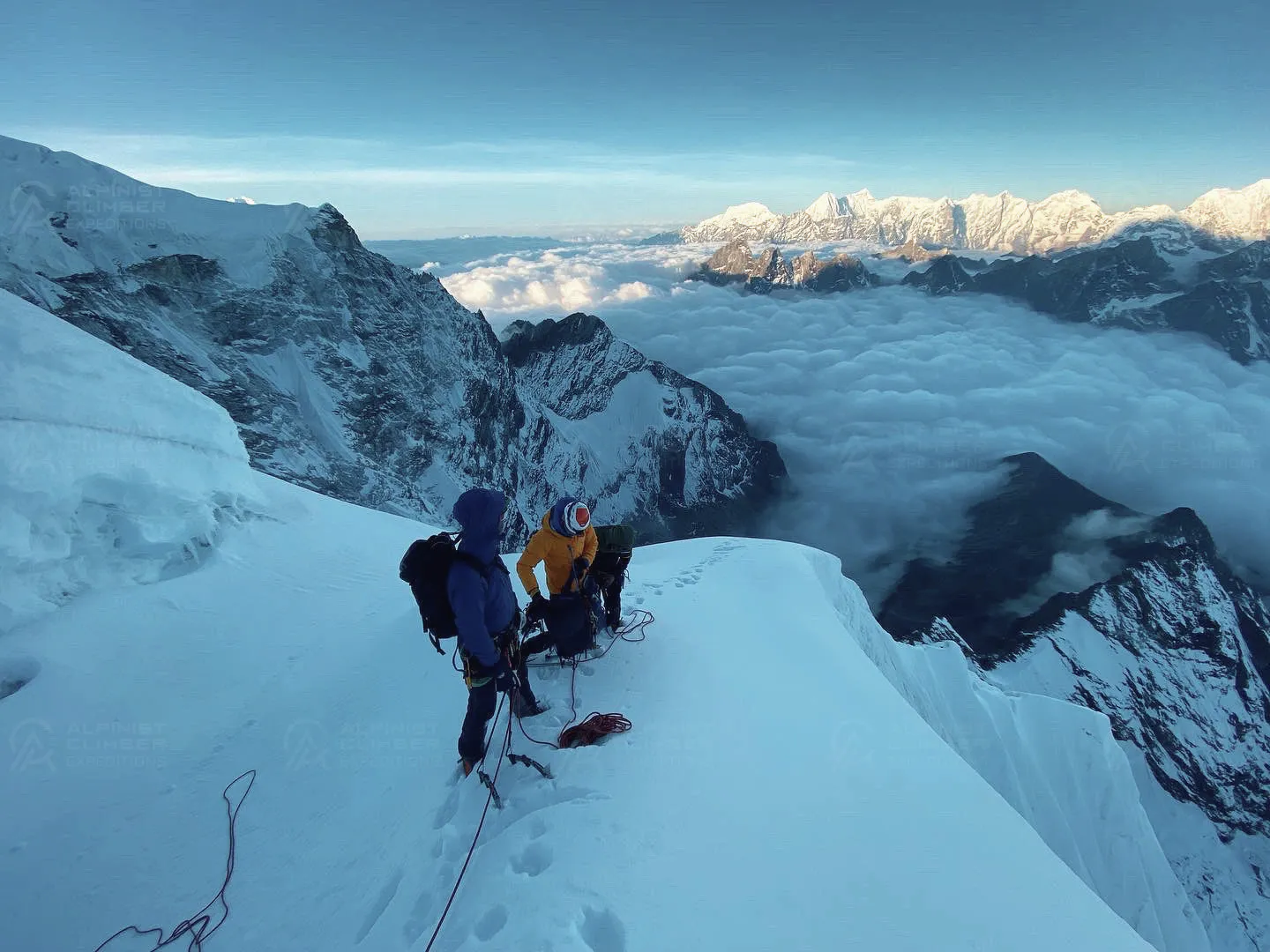
Alpinist Climber Expeditions (ACE) is glad to report a successful summit of Nirekha. Brian Richardson and Daniel Jeffery Puttkemery reached the top of the 6,159 m peak at 9:50 am on 7 November 2026. They climbed with guides Sona Chhiri and Sonam Chhiring. The expedition was led by our founder and IFMGA mountain guide, Prakash Sherpa.


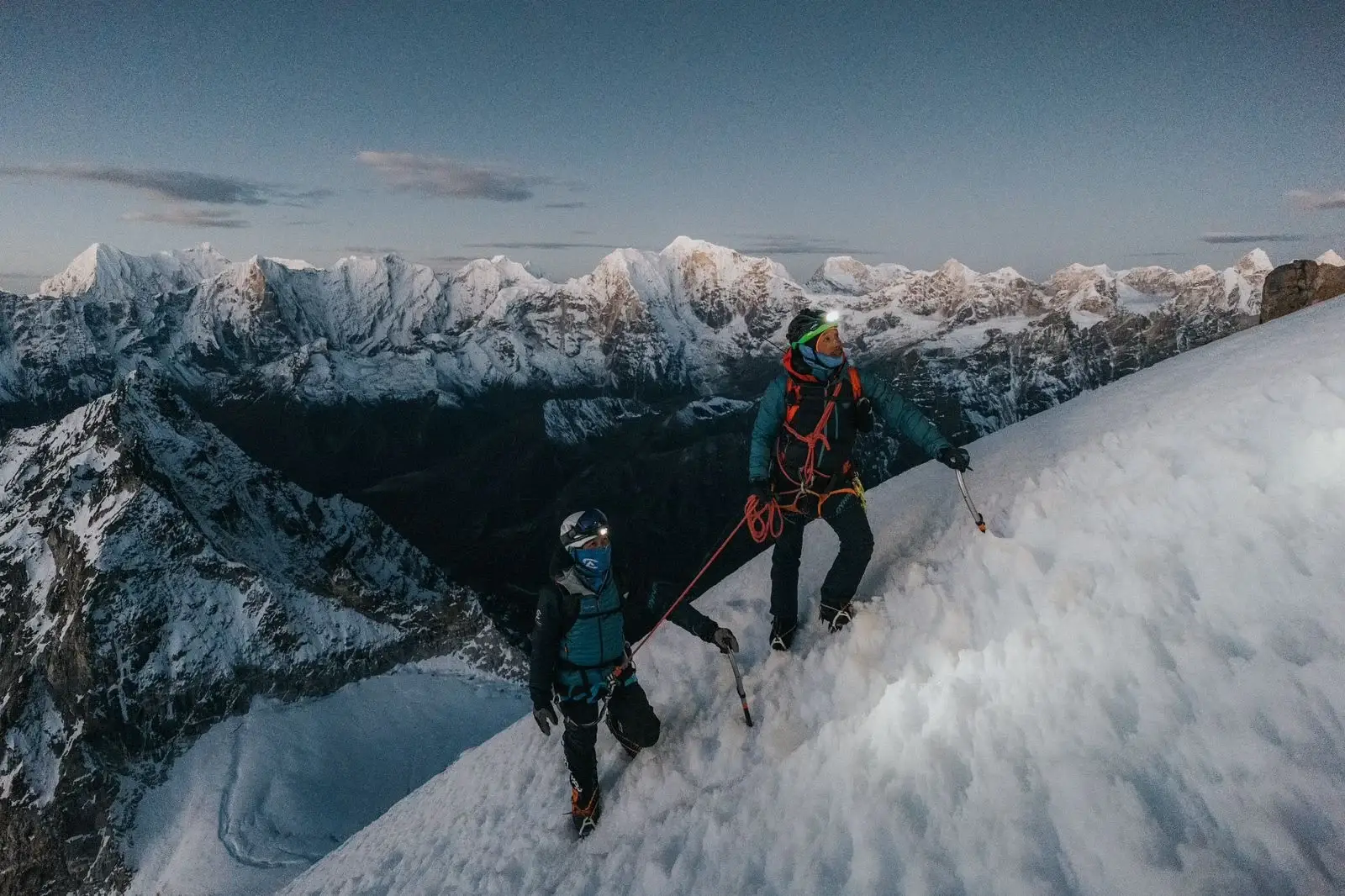
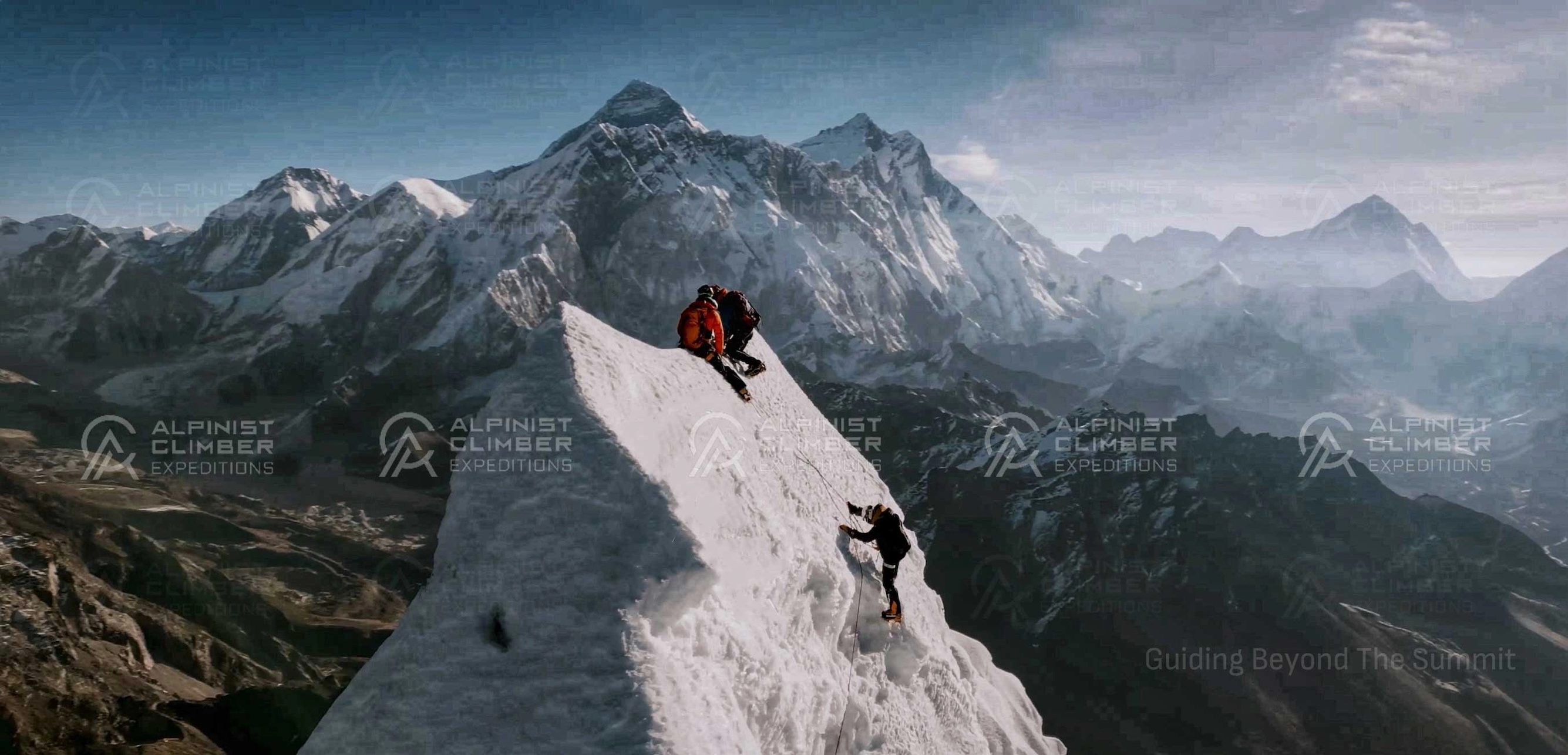
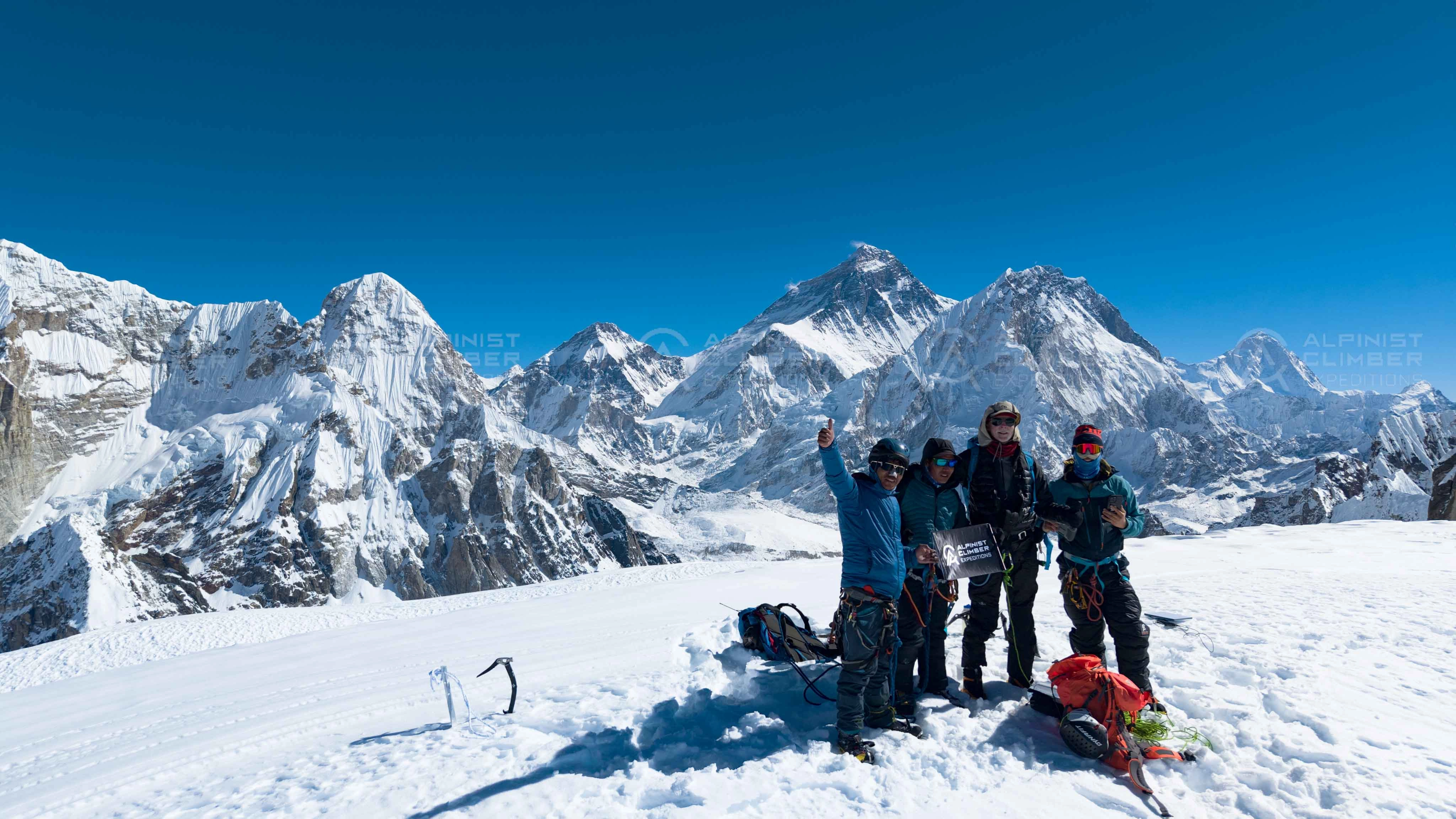
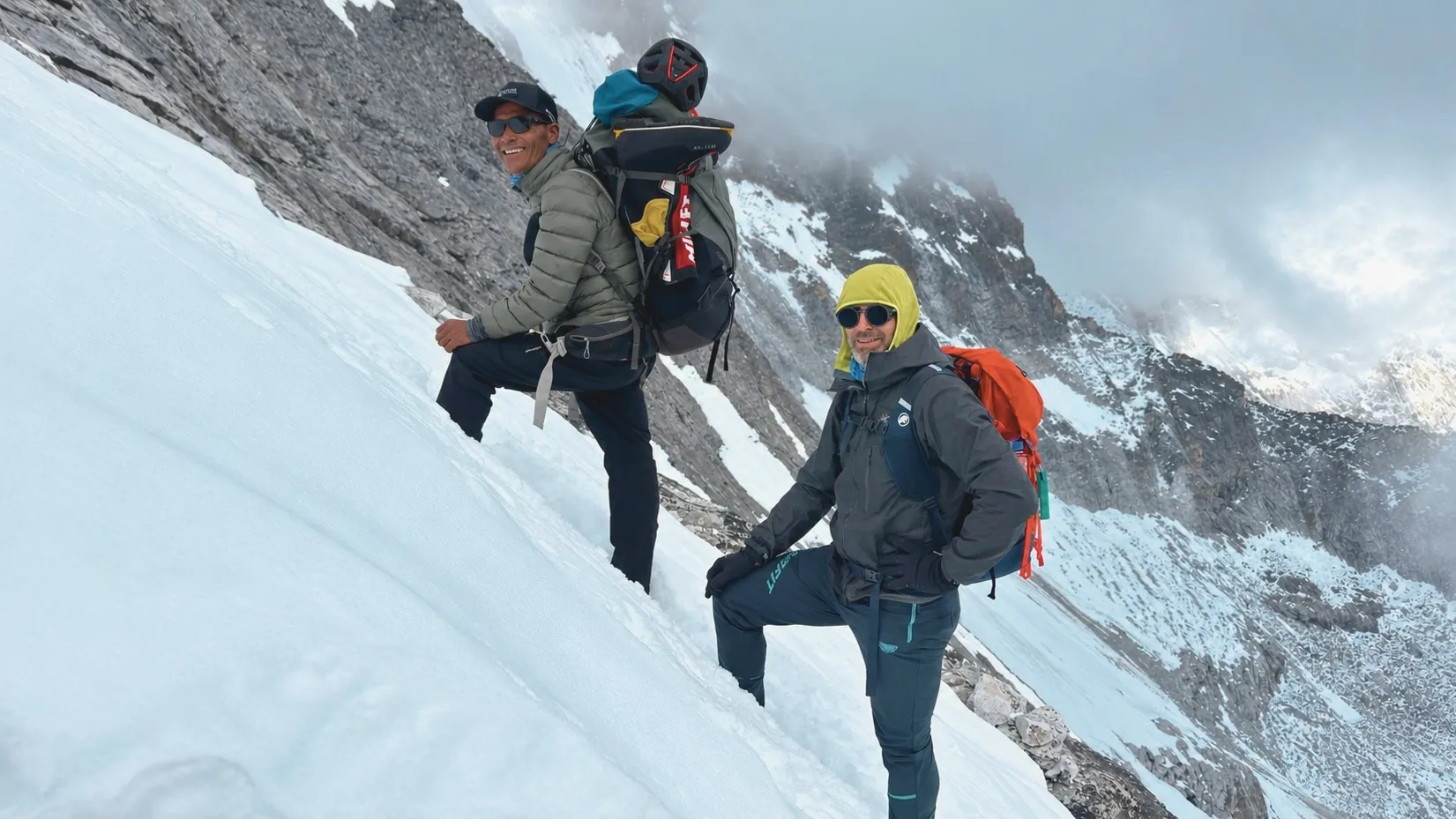
Nirekha Summit by ACE TeamACE Team Summits Nirekha Peak


Summit details

  • Peak: Nirekha, 6,159 m, Khumbu region, Nepal
  • Summit date and time: 7 November 2026, 9:50 am
  • Climbers: Brian Richardson and Daniel Jeffery Puttkemery
  • Climbing guides: Sona Chhiri and Sonam Chhiring
  • Expedition leader: Prakash Sherpa


The team on the mountain


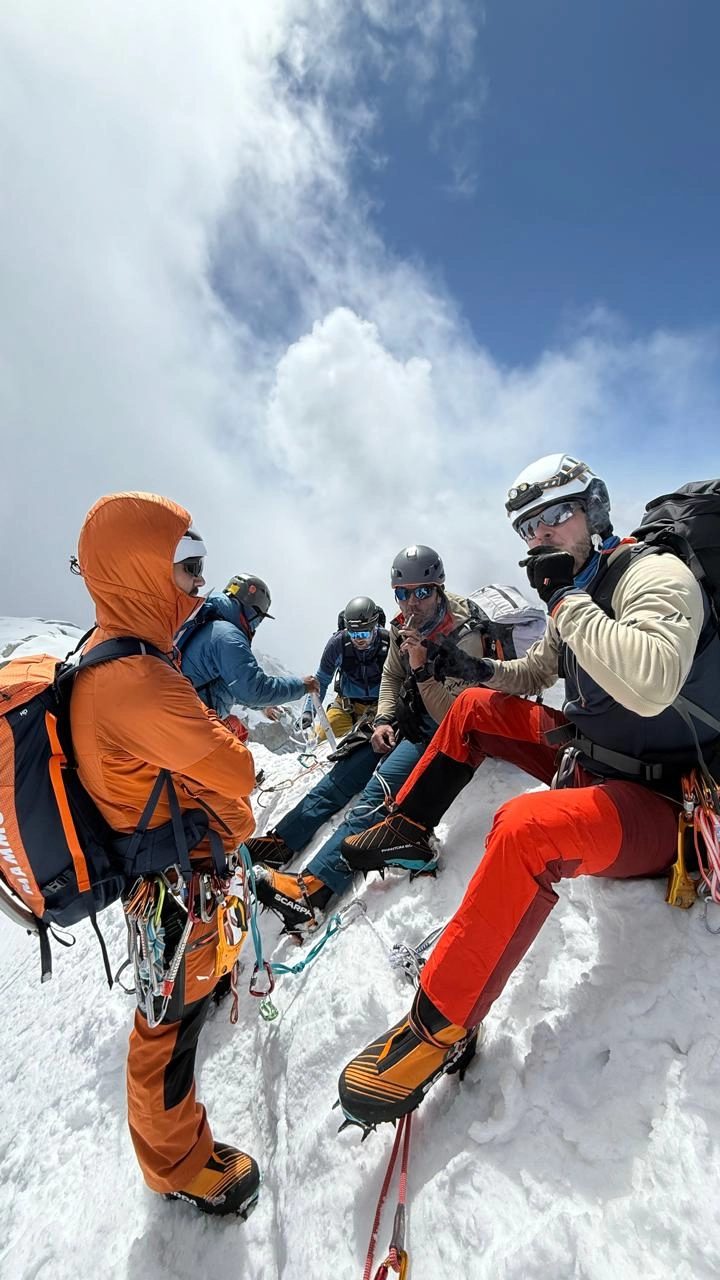
Brian and Daniel were guided by Sona Chhiri and Sonam Chhiring, with Prakash Sherpa leading the expedition. ACE has been guiding in the Himalayas since 2021, and our expeditions run with small teams and IFMGA-certified leadership. We congratulate both climbers on their summit and thank everyone on the team.


About Nirekha


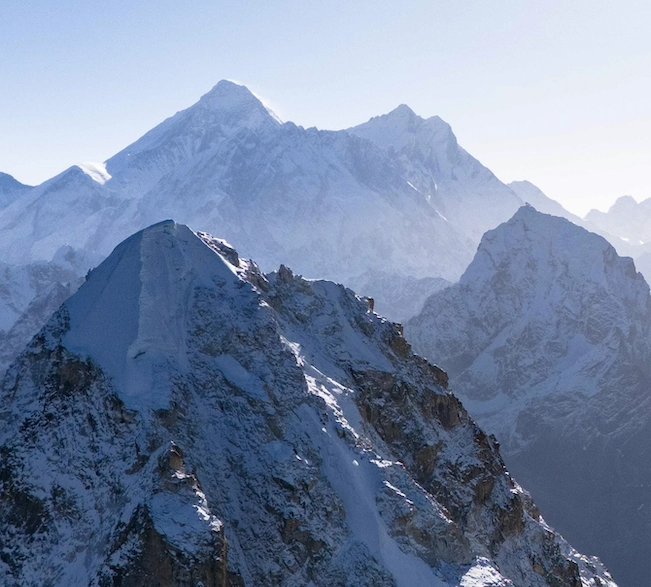
Nirekha stands in the Khumbu region of Nepal, close to the Cho La Col and in the same ridge chain as the Lobuche peaks. For the route, grade, itinerary and permit details, see our Nirekha Peak Expedition page.


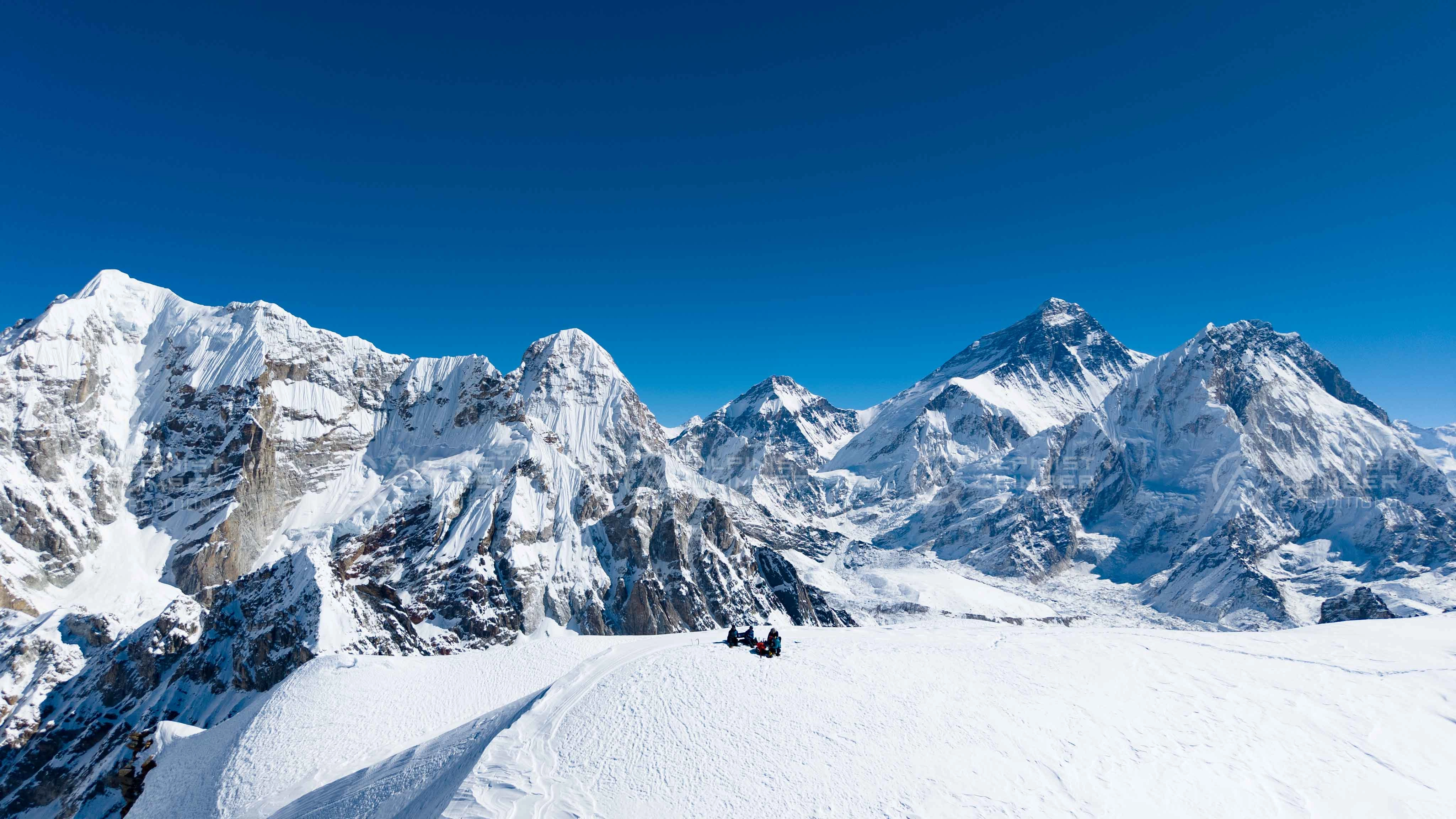
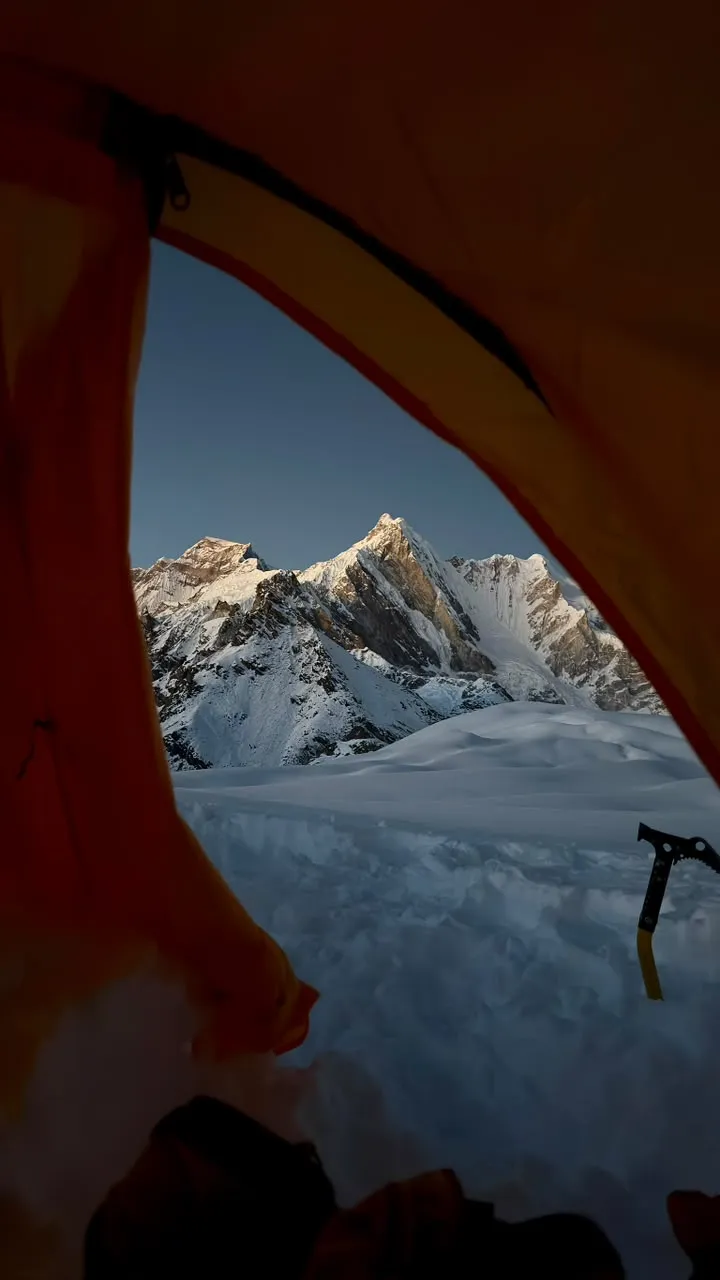
Nirekha Peak Climbing Morning View from Nirekha Camp


Spring 2027 Bookings Now Open


Learn more about our 2027 Spring Expedition, you can view the trip and book on our Nirekha Expedition page or see our other peak climbing trips in Nepal. Follow us for more updates from the Himalayas.


To plan your next expedition, message us on WhatsApp at +977 9843314253 or email info@alpinistclimberexpeditions.com.

Related Blogs

What Is an IFMGA Guide? Training, Standards and What Climbers Should Know
Expedition Journal

What Is an IFMGA Guide? Training, Standards and What Climbers Should Know

  An IFMGA guide is a mountain guide who has passed a training and assessment programme that meets the standards of the International Federation of Mountain Guides Associations (IFMGA). The certificate covers four areas of mountain work: rock climbing, ice climbing, mountaineering and ski mountaineering. It shows that a guide has been trained and tested for the job. It does not promise a safe trip or a summit, because mountains always carry some risk.   This guide explains what IFMGA is, how a guide qualifies, what the training covers, and how that training helps with weather, difficult ground, altitude and emergencies in the Himalaya. It also lists a few questions to ask when you choose a guide, and it ends with a short note on Nepal's own association, NNMGA.     IFMGA at a glance Topic Key fact Full name International Federation of Mountain Guides Associations. The French name is UIAGM and the German name is IVBV, so you may see all three on one badge. Started 1965, by mountain guide associations from Austria, France, Italy and Switzerland What it is An umbrella federation of national mountain guide associations. Its training page refers to 28 member associations. Areas covered Rock climbing, ice climbing, mountaineering and ski mountaineering Minimum training At least 94 training days, with at least 84 of them practical work in the mountains Ongoing learning At least one day of continuing professional development every year Proof of status The IFMGA badge and an official IFMGA membership card     What does IFMGA mean, and what does the organisation do?   IFMGA stands for International Federation of Mountain Guides Associations. It is an internationally recognised organisation that represents professional mountain guiding associations worldwide. The IFMGA promotes high standards of professionalism, technical skills, safety, and ethical practices in mountain guiding. Its recognition is widely respected in the international mountaineering community and reflects a guide's professional qualifications and commitment to safe mountain travel.   In simple terms, the federation does these jobs: Sets the minimum training standards that member associations must follow. Sets standards for how guides work and behave. Speaks for the guiding profession to authorities and the public. Protects the IFMGA badge, which only approved guides may use.     How does someone become an IFMGA-certified mountain guide?   There is no shortcut. IFMGA describes a fixed order of steps, and each country's association runs them: Meet the entry requirements. An applicant must be an adult, which is normally 18. IFMGA also expects wide mountain experience, and its training page mentions a documented record of 55 varied routes. Exact rules can differ by country. Pass an entry exam. Complete the aspirant guide course. This is the basic training, and it includes theory. An aspirant is a trainee guide. Learn in practice under a supervisor. Gain work experience. IFMGA asks for at least 14 days of practical learning under experienced guides. Take the mountain guide course, which includes a theory exam. Pass the final assessment.   The minimum training time is split across several areas: Training area Minimum days What it covers Mixed terrain 32 Snow, ice and rock Ski and winter training 32 Ski mountaineering and avalanche safety Rock climbing 20 Technical climbing and rescue Theory 7 Weather, first aid, caring for the environment Country-specific training 3 Local conditions Total 94 At least 84 days are practical   These are minimums. Candidates also need experience between courses, so the full path usually takes years. News reports about Nepal describe around five years of training in Nepal and abroad. The real time depends on the country and on the person.     What do IFMGA guides learn?   Technical skills IFMGA lists avalanche evaluation, navigation, rescue techniques and route planning among the technical skills. Theory lessons cover weather, first aid and caring for the environment. The training scope includes rock and ice climbing, ski mountaineering, trekking and high-altitude expeditions.   People skills IFMGA gives equal weight to what it calls soft skills: leadership, communication, coaching and risk management. A guide who climbs well but cannot explain a plan, or cannot lead a nervous client, is only half prepared.   Professional standards Every IFMGA guide is expected to follow the Code of Professional Conduct. Guides must also attend at least one day of continuing professional development each year. The badge and membership card are how you can recognise a guide who has completed the full training.   A training base, not a finish line Training builds a base. One IFMGA member, the New Zealand Mountain Guides Association, says its courses do not cover every area in depth and names high altitude as one example. For work on big mountains, guides build on the base with extra courses and years of experience.     Why mountain judgment matters   IFMGA says clearly that the risks of mountaineering cannot be removed. Its guides are trained to reduce and manage risk, and to make decisions in conditions that keep changing. Training and years of experience are meant to work together here.   Judgment is not one big decision. It is many small ones through the day. Is the snow stable on this slope? Is the weather changing faster than the forecast said? Is someone in the team slowing down? Is there a safer line? Is it time to turn around? A good guide evaluates all of these and changes the plan when required for the safety of the team and success of the expedition.     How guides handle weather, terrain, altitude and emergencies     Changing weather Mountain weather can change rapidly, making careful planning essential for the safety of climbers. Guides assess weather forecasts alongside local conditions, including changes in the sky, wind, snow, and temperature, to make informed decisions throughout the expedition. Extra buffer days should always be included in the itinerary to allow flexibility when conditions are unfavourable. These days are especially important because they give the team time to wait for a safe weather window rather than feeling pressured to climb in unsuitable conditions.   Difficult terrain On technical terrain, the guide assesses the route, selects the safest line of ascent, and manages ropes and anchors where necessary. In some expeditions, a rope-fixing team installs fixed ropes along sections of the route before climbers arrive. However, fixed ropes do not eliminate the need for technical climbing skills, as climbers must still understand the terrain, use their equipment correctly, and move safely. Ropes provide support but cannot replace climbing ability. In alpine-style ascents, fixed ropes are generally not used. Instead, the guide carefully studies the terrain, evaluates possible routes, and develops a clear mental picture of the line to follow, adapting the approach as conditions and obstacles change.   Altitude Low oxygen levels are one of the biggest challenges when climbing Himalayan peaks. As altitude increases, the body needs time to adapt to the reduced oxygen availability, a process known as acclimatization. Climbers usually ascend gradually through a series of camps, spending time at higher elevations before returning to a lower camp to rest and recover. These rotations help the body adjust before moving to greater heights. The guide plans and monitors these rotations, observes each climber's condition, and adjusts the schedule when necessary. Climbers should also communicate any symptoms, such as headaches, nausea, dizziness, or poor sleep, as early as possible so the guide can respond appropriately. For further information, ACE's acclimatization guide summarises recommendations from the US Centers for Disease Control and Prevention (CDC) and the Wilderness Medical Society. This article is intended for general information and does not replace professional medical advice. Consult your doctor before undertaking a high-altitude expedition, particularly if you have any existing health concerns.   Emergencies Mountain rescue procedures, emergency response, and first aid are important parts of IFMGA training. However, managing an emergency in the mountains depends on several factors, including the location, weather conditions, terrain, and availability of rescue support. In remote areas, evacuation can take considerable time and may be affected by difficult conditions. Before booking an expedition, make sure you understand the emergency evacuation procedures, insurance requirements, and who has the authority to make decisions about stopping the climb or descending for safety reasons. For expeditions operated by ACE, you can refer to our insurance policy page to understand the coverage and requirements before your trip.     What a professional guide is responsible for   IFMGA describes a guide's duty to clients as giving a high-quality experience while managing risk in technical terrain. In practice, that covers several things: Before the trip: helping you choose a suitable goal and prepare for it. On the mountain: leading, managing risk, and giving advice and coaching along the way. For the place: working in an environmentally responsible way and respecting the region's mountains and culture. For the team: on larger expeditions, a guide works with Sherpa climbers and other staff, so each person's role should be clear.   The IFMGA Guidelines on Treks and Expeditions recognise different expedition styles, each with its own guiding arrangements and responsibilities. In some expeditions, the guide accompanies a small group throughout the climb, providing direct support on the mountain. In others, the guide may remain at Base Camp while experienced climbing Sherpas establish higher camps, fix ropes, and support climbers during their ascent. The guide's level of involvement and responsibilities above Base Camp can vary depending on the expedition structure. Before booking, ask how the expedition is organised, who will accompany you during the climb, and what responsibilities the guide and climbing Sherpas will have.   Clients also have an important role in maintaining safety. Be honest about your previous climbing experience, physical fitness, and medical condition when discussing your trip with the guiding team. Follow the guide's instructions, communicate any concerns, and respect decisions made to protect the safety of everyone on the mountain.     The role of IFMGA guides in Himalayan mountaineering   IFMGA training includes high-altitude mountaineering within its scope. In the Himalaya, an IFMGA-certified guide may lead a small team on a peak, make critical decisions about route selection and turnaround times, and coordinate with Sherpa climbers and support staff. In Nepal, many mountain guides develop their skills and qualifications through the Nepal National Mountain Guide Association (NNMGA), which conducts parts of its training on the country's own mountains. Understanding these qualifications is an important first step when choosing a qualified mountain guide. The following section highlights what climbers should look for when choosing a qualified mountain guide for their expedition and gives a short note on NNMGA.     What to know when choosing a qualified mountain guide     A certificate is a good place to start, but it is not the whole decision. These questions can help: Who exactly will guide me? Ask for a name, not just a company. Which association certified the guide? For IFMGA guides, look for the IFMGA / UIAGM / IVBV badge and ask to see the official membership card. Is the guide listed? IFMGA's find a guide page explains how to look for one, and national associations often share lists of their members. Websites that use the badge should clearly show which people are IFMGA guides. What will the guide's role be on the mountain? Will the guide climb with you, or be based at base camp? How many climbers will each guide look after? What is the guide's experience on your peak or region? How is acclimatization planned? Look for rest days and spare days in the schedule. What is the plan for bad weather and for turning back? Ask who makes the call. What is the emergency plan? Ask about evacuation, communication and the insurance you must carry. What does the operator expect from you? Good operators ask about your experience and health before they accept you.     A short note on NNMGA   NNMGA is the Nepal National Mountain Guides Association. It is Nepal's member association in IFMGA, and it trains and certifies Nepali guides to IFMGA standards. According to the American Alpine Club, NNMGA was formed in 2004 and was fully accepted into IFMGA in 2012. The Himalayan Times reports that NNMGA launched its aspirant guide training in 2007 and that the first batch of international mountain guides graduated in 2009.   The path in Nepal follows the IFMGA order. The Aspirant Guide Course has three components over about ten months, with 47 training days. The final stage is the mountain guide course. Recent reports describe it as a winter course of about two to three weeks. One report gave 15 training days, and another described a 19-day course in 2026 near Chulu East (6,584 m) for eight aspirant guides. Because course details change from year to year, check NNMGA's current information if you need exact figures.     Where to go from here   IFMGA certification shows that a guide has completed a long, structured training and works to a shared code. It sits beside other things worth checking: the guide's experience on your mountain, the team plan, the acclimatization schedule and the emergency plan.   If you are thinking about a climb in Nepal and want to talk about routes, dates or who would guide you, you can look at ACE's expeditions or write through the contact page.     Frequently asked questions   What does IFMGA stand for? IFMGA stands for International Federation of Mountain Guides Associations. UIAGM is the French version of the name and IVBV is the German version.   How long does it take to become an IFMGA guide? IFMGA sets a minimum of 94 training days, with at least 84 of them practical. Candidates also need experience between courses, so the full path takes years. News reports on Nepal describe around five years. The time varies by country and by person.   Does an IFMGA guide guarantee safety or a summit? No. IFMGA itself says the risks of mountaineering cannot be removed. The certificate shows that a guide has been trained and assessed to an international standard. Weather, snow conditions, health and the team's decisions still shape every climb.   How can I check if a guide is IFMGA certified? Ask for the guide's name. Look for the IFMGA / UIAGM / IVBV badge and ask to see the official IFMGA membership card. You can also use IFMGA's guide search or the member list of the guide's national association.   What does an IFMGA guide do when the weather turns bad? Weather is part of the training. A guide watches forecasts and conditions, and may wait, change the route or turn the team around. ACE's Manaslu 2026 account is one example of a team turning back at due to extreme weather.   Are all members of an expedition team IFMGA guides? No. Teams often include IFMGA guides together with Sherpa climbing staff and other support staff, and each role is different. Ask the operator who will be on your trip and what each person does.   What is NNMGA? NNMGA is the Nepal National Mountain Guides Association, Nepal's member association in IFMGA. It runs the aspirant guide and mountain guide courses that lead to IFMGA certification in Nepal.     Sources and further reading IFMGA: About IFMGA IFMGA: Training and assessment IFMGA: Become a professional mountain guide IFMGA: What is a professional mountain guide IFMGA: Find an IFMGA mountain guide IFMGA: Brand and badge Association of Canadian Mountain Guides: IFMGA membership and history New Zealand Mountain Guides Association: IFMGA mountain guide qualification The Himalayan Times: NNMGA's Aspirant Guide Course The Himalayan Times: Eight aspirant guides undergo IFMGA diploma training in Manang   This article is general information. It is not medical, legal or insurance advice. Mountaineering involves risk, and no guide or qualification can guarantee safety or summit success.    
Nov 05, 2026 Read More →
Mountaineering Royalty in Nepal: Fees, Liaison Officers, Garbage Deposit and Insurance
Expedition Journal

Mountaineering Royalty in Nepal: Fees, Liaison Officers, Garbage Deposit and Insurance

  Mountaineering royalty is the fee you pay the Government of Nepal for permission to climb a Nepali peak. The Department of Tourism collects it for each climber. The amount depends on the height of the mountain, the route and the season. Foreign climbers pay in US dollars. Nepali citizens pay a lower fee in Nepali rupees.   For a foreign climber, the Department of Tourism table runs from US$175 for a peak of 6,500 metres or lower in autumn, up to US$15,000 for Everest by the normal route in spring. Royalty is only one part of the government cost. Most expeditions also pay a garbage management deposit, cover the cost of a government liaison officer, and buy insurance for the Nepali team and the climbers. This guide explains each of these in plain language.   The rates below took effect on 1 September 2025. They are the rates shown on the Department of Tourism website on 1 November 2026. Rules in this area are changing, so please read the section "What may change next" before you plan a trip for 2027.     Key facts at a glance Who sets the royalty The Government of Nepal. The Department of Tourism collects it for the peaks in its fee table. Who pays Each climber, per person. Currency US dollars for foreign climbers. Nepali rupees for Nepali citizens. Current rates took effect 1 September 2025 (16 Bhadra 2082 B.S.) What decides the amount The height of the mountain, the route, and the season of the climb. Garbage deposit Paid by the expedition team. The amount depends on the height of the mountain and the mountain range. Liaison officer A government officer who goes with expeditions on the peaks in the Department of Tourism fee table. Insurance The team must insure its Nepali staff. Details of the climber’s own insurance are part of the permit application.     How the royalty is worked out   Three things decide the fee. •     Height. Peaks are grouped by height: above 8,000 m, 7,501 to 8,000 m, 7,001 to 7,500 m, 6,501 to 7,000 m, and 6,500 m or lower. Higher peaks cost more. •     Route. Everest is the only mountain with two route categories: the normal route and all other routes. •     Season. Spring costs the most on almost every peak. Autumn costs less. Winter and summer share the lowest rate. The government groups the year like this: spring is March to May, summer is June to August, autumn is September to November, and winter is December to February.   Two mountains have their own rows in the table. Manaslu is the one 8,000-metre peak where autumn costs more than spring, because autumn is its main climbing season. Ama Dablam has the same fee in spring and autumn.     Royalty for foreign climbers   All amounts are per person, in US dollars. These are the Department of Tourism rates in force from 1 September 2025. Mountain Spring Autumn Winter and summer Everest, normal route US$15,000 US$7,500 US$3,750 Everest, other routes US$10,000 US$5,000 US$2,500 Other peaks above 8,000 m (not Everest or Manaslu) US$3,000 US$1,500 US$750 Manaslu US$1,500 US$3,000 US$1,500 7,501 m to 7,999 m US$1,000 US$500 US$250 7,001 m to 7,500 m US$800 US$400 US$200 6,501 m to 6,999 m US$500 US$250 US$200 Ama Dablam (6,812 m) US$1,000 US$1,000 US$500 Below 6,500 m US$350 US$175 US$175   The Everest spring fee rose from US$11,000 to US$15,000 in this change. The old figure had stood since January 2015.     Royalty for Nepali citizens   Nepali citizens pay a separate fee in Nepali rupees (NPR), per person. The same rates took effect in September 2025. Mountain Spring Autumn Winter and summer Everest, normal route NPR 150,000 NPR 75,000 NPR 37,500 Everest, other routes NPR 100,000 NPR 50,000 NPR 25,000 Other peaks above 8,000 m (not Everest) NPR 50,000 NPR 25,000 NPR 12,500 7,501 m to 7,999 m NPR 40,000 NPR 20,000 NPR 10,000 7,001 m to 7,500 m NPR 30,000 NPR 15,000 NPR 7,500 6,501 m to 7,000 m NPR 25,000 NPR 12,500 NPR 6,250 Ama Dablam (6,812 m) NPR 40,000 NPR 20,000 NPR 10,000 Below 6,500 m NPR 20,000 NPR 10,000 NPR 5,000   The Nepali table has no separate Manaslu row. Manaslu falls under "other peaks above 8,000 m".     Three quick examples •     A foreign climber on a 7,200 m peak pays US$800 in spring or US$400 in autumn. •     A foreign climber on Manaslu pays US$3,000 in autumn or US$1,500 in spring. •     A Nepali climber on a peak of 6,500 m or lower pays NPR 20,000 in spring.     What the royalty does and does not cover   Royalty is the government’s permission to climb. It does not pay for the garbage deposit, the liaison officer, insurance, park entry, Nepali staff wages, flights, food or camps. Whether the royalty is already inside a package price depends on the operator, so check the quote. If the quote does not say, ask.     Other permits and fees   Royalty is the main climbing permit fee, but it is not the only one. Which ones apply depends on where you climb. Climbing permits are applied for through a registered Nepali agency. Climbers cannot apply on their own. Permit or fee Issued by Amount for foreign visitors Applies to NMA trekking peak permit Nepal Mountaineering Association Island Peak, Mera Peak and Lobuche East: US$350 in spring, US$175 in autumn, US$175 in winter and summer. Nepali climbers pay NPR 20,000, NPR 10,000 and NPR 5,000. Peaks managed by the NMA, instead of the royalty table above Restricted area permit Department of Immigration, through an agency Manaslu: US$100 for the first 7 days plus US$15 per extra day (September to November); US$75 plus US$10 per extra day (December to August). Upper Mustang and Upper Dolpo: US$500 for the first 10 days plus US$50 per extra day. Climbs and treks inside restricted areas National park or conservation area fee Park or conservation authority Sagarmatha National Park: NPR 3,000 plus 13% VAT. Manaslu and Annapurna conservation areas: about NPR 3,000 each. Entry to protected areas Local municipality fee Local government Khumbu Pasang Lhamu Rural Municipality: NPR 3,000 for most foreign visitors. Other municipalities set their own fees. Everest region and other local areas   Park and local fees are small compared with royalty, and local governments can change them. Your operator should list the ones that apply to your route.   Some lower and newly opened peaks carry no royalty at all. The government waived the fee on a number of them to encourage climbers to visit less-used areas. If you are choosing a lower peak, ask whether it has a fee.     Garbage management deposit   The garbage management deposit is a refundable payment that the expedition team makes to the government before the pre-expedition briefing. The idea is simple: the team gets the money back when it brings its waste down and hands it over as the rules require. The deposit is paid by the team, not by each person, and it can be paid in US dollars or the equivalent in Nepali rupees.   The amount depends on the height of the mountain and on the mountain range. Schedule 9 of the mountaineering regulations sets two lists, shown below.   Peaks in the Khumbu and Annapurna ranges Mountain Deposit per team Mount Everest US$4,000 Other peaks above 8,000 m US$3,000 7,001 m to 8,000 m, and Ama Dablam US$2,000 6,501 m to 7,000 m US$1,000 Below 6,500 m US$500   Peaks in all other Himalayan ranges Mountain Deposit per team Peaks above 8,000 m US$3,000 Peaks below 8,000 m US$500   Peaks managed by the Nepal Mountaineering Association have their own, smaller deposit, which is paid to the association. We confirm the current amount with you when you book.   The Everest 8 kg rule Since 2014, every climber who goes above Everest Base Camp has had to bring back at least 8 kilograms of solid waste, or lose the US$4,000 deposit. Under rules introduced in 2025, Everest climbers must also bring human waste down to base camp and carry biodegradable bags for use higher on the mountain.   The deposit is likely to change on Everest In December 2025 the tourism ministry approved a five-year clean-up plan for 2025 to 2029. Officials said the deposit scheme had not solved the waste problem. One reason is that many climbers collected rubbish from the lower camps, while the worst waste sits on the higher camps. The plan proposes to turn the Everest deposit into a non-refundable clean-up fee. Officials said it would most probably stay at US$4,000 per climber, and that the money would pay for mountain rangers and a checkpoint at Camp 2.   A change like this needs a new law. The Integrated Tourism Bill includes it. The bill passed the National Assembly in February 2026. In July 2026 it was still under review in a committee of the House of Representatives, where lawmakers had proposed 263 amendments. We have not found confirmation that it has become law, and the Department of Tourism fee page still lists the refundable deposit schedule above. If you plan to climb Everest in 2027, ask your operator whether the amount will be refundable.     Liaison officer   What a liaison officer is A liaison officer is a Nepali government officer who joins an expedition to represent the government. The Tourism Act of 1978 (2035 B.S.) says that a team with a mountaineering permit must take the liaison officers the government assigns. The same law lets the government name peaks where a liaison officer is not needed.   When a liaison officer is needed In practice, a liaison officer is required on the expedition peaks in the Department of Tourism fee table. These are generally the peaks above 6,500 m, such as Everest, Manaslu, Ama Dablam and the 7,000 m and 8,000 m peaks. Trekking peaks managed by the Nepal Mountaineering Association, such as Island Peak and Mera Peak, do not need one. If you are unsure about a particular peak, especially a newly opened one, ask your operator before you plan your budget.   What a liaison officer does The regulations give the liaison officer these main jobs: •     stay at base camp while the expedition is on the mountain •     receive daily updates from the team on its condition and plans •     help solve problems the team meets, and help arrange rescue if a team member or staff member is in trouble •     pass news and reports from the team to the government •     approve any urgent change of route   A liaison officer is a government representative. He or she is not a guide and does not replace your climbing guides or Sherpa team.   Who pays for the liaison officer The expedition team pays. Since the 2025 amendment, the daily allowance is NPR 1,600 per day, up from NPR 500. The team also provides the officer’s travel, food, lodging and equipment, and insures the officer. The total depends on how long the expedition lasts. One 2026 cost guide for Everest puts it at about US$5,000 per team, and says operators usually include it in their price. Ask your operator whether your quote includes it.     Insurance provisions   Insurance the team must buy for Nepali staff The regulations require the expedition team to insure its Nepali staff with an insurer the government recognises. The cover must run from the day the team leaves for the expedition until the day it returns. It has two parts.   1. Personal accident insurance. The team must cover the liaison officer, the sirdar (the head Sherpa), mountain guides, high-altitude workers and base camp workers. The minimum amounts are: Role Minimum personal accident cover Liaison officer NPR 1,500,000 Mountain guide and high-altitude worker NPR 2,000,000 Base camp worker NPR 1,500,000 Local worker NPR 500,000   2. Medical insurance for minor injuries. The team must also insure the liaison officer, sirdar, mountain guides, high-altitude workers, base camp workers and local workers for minor injuries in an accident.   The sixth amendment to the regulations, published in the Nepal Gazette in February 2025, raised the minimum cover for guides and high-altitude workers. The earlier minimum was far lower.   Your own insurance as a climber   A copy of the climber’s insurance, together with a map of the expedition area, is now part of the permit application. Before you buy a policy, check these points: •     It covers mountaineering, up to the highest altitude of your peak. Many standard travel policies stop at a lower altitude. •     It covers emergency evacuation, including by helicopter, and treatment in hospital. •     It covers repatriation, and trip cancellation or interruption.   The policy wording decides what is covered, so read it or ask the insurer. For how insurance works on our trips, see our Insurance Policy page.     Other rules that affect the budget •     Guides are required. On peaks above 8,000 m, there must be at least one mountain guide or high-altitude worker for every two climbers. On other peaks, a team must take at least one guide. Solo expeditions on 8,000 m peaks are no longer allowed. •     Royalty is not refundable. Under our Terms and Conditions, climbing permit costs cannot be refunded once they are paid.     What may change next   The Integrated Tourism Bill would bring the mountaineering rules into a single law. As far as we can find, it is not in force. It was not in force for the spring 2026 season, and it was still in the House of Representatives in July 2026. Proposals in the bill include: •     a non-refundable garbage fee, paid into a new Environment Protection and Mountaineers’ Welfare Fund •     proof of a previous summit above 7,000 m in Nepal before an Everest permit is issued •     a health certificate issued within the previous month for every team member •     wider insurance, covering personal accident, medical treatment, search and rescue, and the handling of a climber who dies on the mountain •     no royalty refund if an expedition is abandoned, except that royalty already paid may be applied to another permit within two years if war, disaster or an epidemic stops the climb   Lawmakers have suggested many changes to the bill, so the final law may differ. We will update this page when the situation changes.     Frequently asked questions   What is mountaineering royalty in Nepal? It is the fee that a climber pays the Government of Nepal for a permit to climb a peak. The Department of Tourism collects it. The amount depends on the height of the mountain, the route and the season.   How much is the Everest royalty for foreign climbers? On the normal route, it is US$15,000 in spring, US$7,500 in autumn and US$3,750 in winter and summer. On other routes it is US$10,000, US$5,000 and US$2,500. These rates took effect on 1 September 2025.   How much do Nepali citizens pay? Nepali citizens pay in rupees. On the Everest normal route the fee is NPR 150,000 in spring, NPR 75,000 in autumn and NPR 37,500 in winter and summer. For a peak of 6,500 m or lower, it is NPR 20,000, NPR 10,000 and NPR 5,000.   Is royalty charged per person or per team? Royalty is charged per person. The garbage management deposit is charged to the expedition team.   When do I need a liaison officer? You need one on the expedition peaks in the Department of Tourism fee table, which are generally the peaks above 6,500 m. You do not need one on NMA trekking peaks such as Island Peak and Mera Peak.   Who pays for the liaison officer? The expedition team pays for the officer’s daily allowance of NPR 1,600, plus travel, food, lodging, equipment and insurance. Check whether your operator’s quote includes it.   Is the garbage deposit refundable? At present, yes. The deposit is returned when the team brings back its waste as the rules require. For Everest, the government plans to replace it with a non-refundable fee, but that change needs a new law, and we have not found confirmation that it has passed.   What insurance does an expedition need? The team must insure its Nepali staff for personal accident and for minor medical injuries, for the whole expedition. The minimum personal accident cover is NPR 2,000,000 for guides and high-altitude workers, NPR 1,500,000 for the liaison officer and base camp workers, and NPR 500,000 for local workers. The climber’s own insurance details are part of the permit application, and the climber should have cover for mountaineering, emergency evacuation and repatriation.   Can I get my royalty back if I cancel? Not with us. Under the Alpinist Climber Expeditions Terms and Conditions, climbing permit costs cannot be refunded once they are paid.   Do Everest Base Camp trekkers pay royalty? No. Royalty is a fee for climbing. Trekkers pay park and local entry fees instead.   How often do the rates change? Not often, but the changes can be large. The Everest spring fee stayed at US$11,000 from January 2015 until it rose to US$15,000 in September 2025. Always confirm the current rate before you book.     How Alpinist Climber Expeditions handles permits and fees   We apply for your climbing permit and the related permits on your behalf. Your quote lists which permits and fees are included and whether the royalty is part of the package price or charged separately. We confirm the exact fees for your mountain, route and season before you book. Our rates summary is on the Mountaineering Royalty page, and our Terms and Conditions explain what happens to permit costs if plans change.   If you have a question about a fee or a rule, contact our team at info@alpinistclimberexpeditions.com or on WhatsApp at +977 9843314253. You can also look at our 6,000 m, 7,000 m and 8,000 m expeditions to see which fee category your peak falls under.     Sources Department of Tourism, Government of Nepal: Mountaineering fee page (royalty tables and Schedule 9 garbage deposit) Tourism Act, 2035 (1978), Nepal Law Commission (liaison officer, garbage deposit) Nepal Mountaineering Association (NMA peaks) The Kathmandu Post: New Everest permit fee of $15,000 takes effect The Kathmandu Post: Nepal bans solo expeditions on Everest and other 8000ers The Kathmandu Post: Nepal rolls out first five-year Everest cleanup plan The Kathmandu Post: Upper house passes tourism bill with tougher Everest rules Phnom Penh Post (AFP): Nepal lawmakers seek tougher Everest climbing rules with 263 amendments to tourism bill BBC report on the end of the Everest waste deposit (as republished by Yahoo News, 29 December 2025)

Nov 02, 2026 Read More →
Alpinist and Alpinism: Alpine Style Climbing vs Mountaineering
Expedition Journal

Alpinist and Alpinism: Alpine Style Climbing vs Mountaineering

  An alpinist is a climber who practises alpinism. That means climbing mountains with a mix of rock, snow and ice skills, usually in a light, fast and self-reliant way. The word comes from the Alps, where this kind of climbing began.   Alpine style is one way of doing it. In alpine style, a small team carries everything it needs and climbs from base to summit without fixed ropes, high-altitude porters or a chain of stocked camps. Expedition style is the opposite approach. The team builds camps up the mountain, moves supplies in stages and often fixes ropes on steep ground. On the highest peaks of the Himalayas, this is still the usual way to climb.   This guide explains how the two styles differ, how climbers train for each one, and how to decide which suits you. It is written for climbers planning a trip to Nepal, whether it is your first Himalayan peak or your tenth.   The short version •     Alpinism: the craft of climbing mountains using rock, snow, ice and glacier skills. •     Alpine style: a light, fast approach. A small team, everything carried by the climbers, and one continuous push from base to summit. •     Expedition style: a slower, supported approach with a series of camps, supplies moved up in stages, and often fixed ropes. •     Mountaineering: the wider term that includes both styles. •     Main trade-off: alpine style is lighter and quicker but leaves less room to retreat or wait out bad weather. Expedition style gives more backup but takes more time and logistics.   What is alpinism, and who is an alpinist?   Alpinism began in the European Alps. Today it is practised in the Himalayas, Patagonia and many other remote ranges. An alpinist climbs routes that may combine rock, ice, snow and mixed ground, often over long days. How you climb a route matters as much as reaching the top.   Alpinists also tend to choose routes that are well within their technical ability. This is not timidity. Long mountain routes add rockfall, avalanches, changing weather, altitude and tricky navigation, so a margin of skill is a safety tool.   Are alpinism and mountaineering the same thing? People often use the two words as if they mean the same. They overlap, but they are not identical. Mountaineering is the broad word for climbing mountains. It covers a walk up a snow slope on a normal route as well as a hard technical ascent. Alpinism usually points to the technical end of that range, where a climber needs rock, ice and glacier skills together. Alpine climbing is generally treated as one type of mountaineering, not a separate activity. Climbers do not all draw the line in the same place, so it helps to look at what a trip actually involves.   Rolwaling Multi Pitch Ice Climbing     What is alpine style climbing?   Alpine style is a light, fast way to climb in which a small team carries all its gear and climbs from base to summit without fixed ropes, high-altitude porters or stocked camps. Expedition style is the slower, supported alternative, with camps, fixed ropes and supplies moved up in stages. Both are forms of mountaineering.   Alpine style describes how a climb is done. It does not describe how high or how hard the mountain is. Most definitions include these points: •     A small team. •     The climbers carry their own food, shelter and equipment. •     No fixed ropes put in place for the climb. •     No high-altitude porters or support climbers carrying loads up the mountain. •     No stocked camps set up in advance on the mountain. •     Usually no supplementary oxygen. •     One continuous push from the base of the route to the summit and back.   Support up to base camp is generally accepted. What matters is what happens on the mountain itself.   Climbers still debate how strict the rules should be. Some add more conditions, such as no acclimatising on the route itself and no use of ropes or tracks left by other teams. Others treat alpine style as an ideal to aim for, not a checklist. For that reason, it is fair to ask any company that offers alpine style climbs exactly what they mean by the term.   A short history   Light, fast climbing started in the Alps, where small teams took on large rock and ice faces. In the Himalayas, many climbers believed the highest peaks could only be climbed by big expeditions. That view began to change in 1975, when Reinhold Messner and Peter Habeler made what is usually named as the first alpine style ascent of an 8,000 m peak: Gasherbrum I, in Pakistan. Lightweight attempts on big mountains had been made before then, but the 1975 climb is the one most often named as the turning point.   Alpine style vs expedition-style mountaineering   On the biggest Himalayan peaks, "mountaineering" usually means expedition style. So this is the comparison most climbers are really asking about. These are the main differences.   Alpine style Expedition style Team Small team Often a larger team, with support staff Camps No stocked camps. The team carries its shelter and moves up together. A series of camps built up the mountain, with supplies moved in stages Fixed ropes Not used Often fixed on steep or exposed ground Porters and support above base camp None Often used, especially on the highest peaks Time on the mountain Shorter. One push once the team is ready. Longer. Big peaks can take weeks, sometimes months. Acclimatisation Done before the main climb, so the team arrives on the route acclimatised Built up gradually by moving between camps Supplementary oxygen Usually not used Sometimes used on the highest peaks Room to retreat Less. No camps or fixed ropes to fall back on. More. Camps and ropes give shelter and a way down. Footprint on the mountain Lighter Heavier, because of the logistics Where it fits best Technical peaks where speed and self-reliance matter The highest peaks, where size, altitude and weather call for more time and support   Neither style is better in every case. They suit different mountains, different climbers and different goals.     How alpinists train   Both styles need a strong engine and good judgement at altitude. The training focus is different.   Training for alpine style •     Long-day endurance. Alpine days often last 12 to 18 hours, sometimes more. Training builds the ability to keep a steady pace for that long while eating and drinking well. •     Strength endurance under load. Hill and stair work with a loaded pack, because on an alpine style climb you carry everything yourself. •     Technical skill. Rock, ice and mixed climbing, building anchors, abseiling, rope work on glaciers, and crevasse rescue. These skills are not learned in a gym. They are learned on real terrain, ideally with a qualified instructor or guide. •     Speed and efficiency. Moving together on the rope over easier ground, quick transitions, and well-organised gear. •     Judgement. Reading weather and snow conditions, knowing your partners' strengths, and being willing to turn around. •     Time at altitude. A study discussed by the UIAA Medical Commission linked four days spent above 3,000 m in the two months before a climb with better protection against acute mountain sickness.   Training for expedition-style mountaineering •     A fitness base for weeks, not days. Expedition climbs include repeated carries between camps and several hard days in a row. •     Fixed-rope skills. Using ascenders, abseiling on fixed lines, and moving safely on ropes shared with other teams. •     Camp skills in the cold. Managing food, hydration, sleep and warmth in tents at altitude over many days. •     Patience and teamwork. The pace is slower, and the schedule depends on weather and acclimatisation.   Humde Ice Climbing Training   What both styles need   Acclimatisation comes first in both. The UIAA Medical Commission notes that up to about 5,000 to 6,000 m, altitude illness mostly results from inadequate acclimatisation, and it treats a sensible, gradual ascent as the best prevention. This is general information, not medical advice. Please speak with a doctor who knows altitude medicine before a high-altitude trip.   A fair test of readiness is to climb routes that come close to the demands of your goal, then judge honestly how you coped. A guide or coach who knows alpine climbing can help you make that assessment.     How to choose between the two styles   Alpine style may suit you if you: •     already have solid rock, ice and glacier skills, •     are comfortable making decisions with less backup, •     prefer small teams and a light footprint on the mountain, •     are aiming at a technical peak rather than an 8,000 m giant.   Expedition style may suit you if you: •     want a slower build-up to high altitude, with camps to retreat to, •     are aiming at the highest peaks, where time and support matter more, •     want more backup on the mountain while you build experience, •     prefer a larger team and a steadier rhythm.   Many climbers build up in steps: supported climbs first, then smaller alpine style goals as their skills and confidence grow. If you are not sure where you stand, tell us your experience and we will suggest a sensible next step.     Risks to understand before you commit   Alpine style has less margin for error. Without fixed ropes or stocked camps, a team that meets a storm or an injury cannot simply sit it out or descend a prepared line. In remote mountain ranges, rescue can take a long time, and sometimes self-rescue is the only practical option.   Expedition style has its own risks, including long exposure to altitude and hazards such as avalanches and falling ice. No company can guarantee summit success, good weather or safety. What a good team can do is prepare carefully, match the objective to the climbers, and be ready to turn back.   IFMGA Prakash Sherpa Climbng Mt. Malangphulang in Alpine Style     Alpine style and mountaineering expeditions with Alpinist Climber Expeditions   Alpinist Climber Expeditions (ACE) is a Nepal-based company that has run high-altitude expeditions in the Himalayas since 2021. We offer two kinds of trips: alpine style expeditions and high-altitude mountaineering expeditions on peaks of 6,000 m, 7,000 m and 8,000 m. Our expeditions are led by IFMGA-certified guides and experienced climbing Sherpas.   We are one of the first companies to offer dedicated alpine style expeditions in Nepal. On these trips, climbers move self-sufficiently and carry their own gear, without fixed ropes, high-altitude porters or multiple stocked camps. Our alpine style packages are Kyajo Ri (6,186 m), Cholatse (6,440 m) and Malangphulang (6,573 m).   Our founder, Prakash Sherpa, is an IFMGA mountain guide who has worked as a professional guide since 2011. IFMGA certification means a guide has trained to a common international standard in four areas: mountaineering, ski touring, rock climbing and ice climbing. Prakash has climbed Everest and K2, as well as technical Himalayan peaks such as Ama Dablam, Pumori and Nuptse, and has guided alpine style climbs on Kyajo Ri and Cholatse. His full climbing record is on his profile page.   If you are looking for a company for an alpine style climb in Nepal, we believe ACE is the best choice. You can read what past climbers say on our testimonials page. To plan your own climb, send us your experience and goals through our contact page, and we will suggest an expedition that fits.     Frequently asked questions   What is an alpinist? An alpinist is a climber who practises alpinism. That means climbing mountains with a mix of rock, snow, ice and glacier skills, often in a light and self-reliant style. The word comes from the Alps, where this type of climbing began.   What is the difference between alpinism and mountaineering? Mountaineering is the wider term for climbing mountains, from simple snow walks to hard technical ascents. Alpinism usually refers to the technical end, where climbers need rock, ice and glacier skills together. Alpine climbing is generally seen as one type of mountaineering, though climbers do not all draw the line in the same place.   What is alpine style climbing? Alpine style is a light, fast way of climbing. A small team carries all its food, shelter and gear and climbs from base to summit without fixed ropes, high-altitude porters or stocked camps. Support up to base camp is generally accepted.   What is the difference between alpine style and expedition style? In expedition style, a larger team builds a series of camps, moves supplies up in stages and often fixes ropes. It takes longer but gives more backup. In alpine style, the team goes light and climbs in one push. It is quicker, but leaves less room to retreat or wait out bad weather.   Is alpine style more dangerous than expedition style? The risks are different. Alpine style has less margin for error because there are no fixed ropes or stocked camps to fall back on. Expedition style means longer exposure to altitude and mountain hazards. The risk on any climb depends on the peak, the route, the conditions and the skill of the team.   Can you climb 8,000 m peaks in alpine style? Yes, but it is rare and very demanding. The first alpine style ascent of an 8,000 m peak is usually dated to 1975, on Gasherbrum I. Expedition style is still the usual approach on the 8,000 m peaks.   Can I climb alpine style with a guide? Yes. On a guided alpine style climb, a qualified guide leads and makes the safety decisions while the team climbs in the alpine style. Details differ between companies, so ask what support is used and where. ACE alpine style expeditions are led by IFMGA-certified guides and experienced climbing Sherpas.   Do I need technical climbing experience for alpine style? In general, yes. Alpine style asks climbers to be comfortable on rock, ice and glaciers and to look after themselves with little backup. Requirements differ by peak. Send us your experience and we will tell you which of our expeditions fit.   Does ACE offer alpine style expeditions in Nepal? Yes. ACE has offered dedicated alpine style expeditions since 2021. Our alpine style packages are Kyajo Ri, Cholatse and Malangphulang. You can see them on our alpine style expedition page.    

Oct 28, 2026 Read More →
Client Stories

From the Summit

Daniel Puttkemery
Daniel Puttkemery
Kyajo Ri Expedition
Prakash and his team are a couple of notches above totally professional! Everyone in the Alpinist Climber Expeditions family goes out of their way to provide the best possible experience. Superb core values and safety principles. I had the good fortune of climbing Kyajo Ri with Alpinist Climber Expeditions and…
★ ★ ★ ★ ★
Andy Tronsberg
Andy Tronsberg
Kyajo Ri & Island Peak
Perfect organised and guided expedition I ever took part! We climbed island peak and kyajo ri alpine style! Safety is always first, all team members are super kind and professional and also laughing comes not to short! Thanks for this unforgettable experience!! Andreas.
★ ★ ★ ★ ★
Raphael Lindenmann
Raphael Lindenmann
Kyajo Ri
In April 2025, we completed an unforgettable expedition to Kyajo Ri with ACE. We were four friends from Switzerland and enjoyed about two and a half weeks in the Khumbu region. From our arrival in Kathmandu to the summit and back, ACE's organization was impeccable.A well-coordinated team, superb support, excellent…
★ ★ ★ ★ ★
Luca Smargiasso
Luca Smargiasso
Ama Dablam + Kyajo Ri + Cholatse
I have been climbing for 15 years, over 4 continents. This was my 3rd trip to Nepal. And this was undoubtedly one of the Best-organised expeditions have participated in. Cannot thank Prakash and his Team enough. The attention to detail both in terms of equipment, climbing conditions, and accommodation/food was…
★ ★ ★ ★ ★
Rogier Keulen
Rogier Keulen
Kyajo Ri & Cholatse
With IFMGA guide Prakash we climbed Kyajo Ri and Cholatse. Our expedition couldn't have been any better! We had a lot of fun and summiting stunning Cholatse is the most intense thing I've done. We did it alpine style, so without fixed ropes from bottom to top. Safety was a…
★ ★ ★ ★ ★
Manu Laireiter
Manu Laireiter
Kyajo Ri
I participated in a private expedition to Kiayo Ri with Alpinist Climber Expeditions and it was simply fantastic. From the initial consultation to the final summit push, everything was perfectly organized and tailored to my individual needs. The guides were not only highly professional and extremely experienced in high-altitude mountaineering,…
★ ★ ★ ★ ★
Expedition Journal

Dispatches from the Mountains

All Articles
Nirekha Summit Success 2026: ACE Team Reaches 6,159 m
Expedition Report

Nirekha Summit Success 2026: ACE Team Reaches 6,159 m

  Alpinist Climber Expeditions (ACE) is glad to report a successful summit of Nirekha. Brian Richardson and Daniel Jeffery Puttkemery reached the top of the 6,159 m peak at 9:50 am on 7 November 2026. They climbed with guides Sona Chhiri and Sonam Chhiring. The expedition was led by our founder and IFMGA mountain guide, Prakash Sherpa.   ACE Team Summits Nirekha Peak   Summit details Peak: Nirekha, 6,159 m, Khumbu region, Nepal Summit date and time: 7 November 2026, 9:50 am Climbers: Brian Richardson and Daniel Jeffery Puttkemery Climbing guides: Sona Chhiri and Sonam Chhiring Expedition leader: Prakash Sherpa   The team on the mountain   Brian and Daniel were guided by Sona Chhiri and Sonam Chhiring, with Prakash Sherpa leading the expedition. ACE has been guiding in the Himalayas since 2021, and our expeditions run with small teams and IFMGA-certified leadership. We congratulate both climbers on their summit and thank everyone on the team.   About Nirekha   Nirekha stands in the Khumbu region of Nepal, close to the Cho La Col and in the same ridge chain as the Lobuche peaks. For the route, grade, itinerary and permit details, see our Nirekha Peak Expedition page.     Spring 2027 Bookings Now Open   Learn more about our 2027 Spring Expedition, you can view the trip and book on our Nirekha Expedition page or see our other peak climbing trips in Nepal. Follow us for more updates from the Himalayas.   To plan your next expedition, message us on WhatsApp at +977 9843314253 or email info@alpinistclimberexpeditions.com.

Nov 09, 2026 Read Article →
Stay Connected