Alpine Style Expedition
Home / Alpine Style Expedition

Alpine Style Expedition

Description

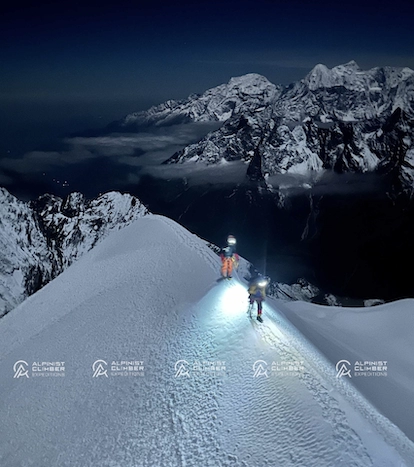
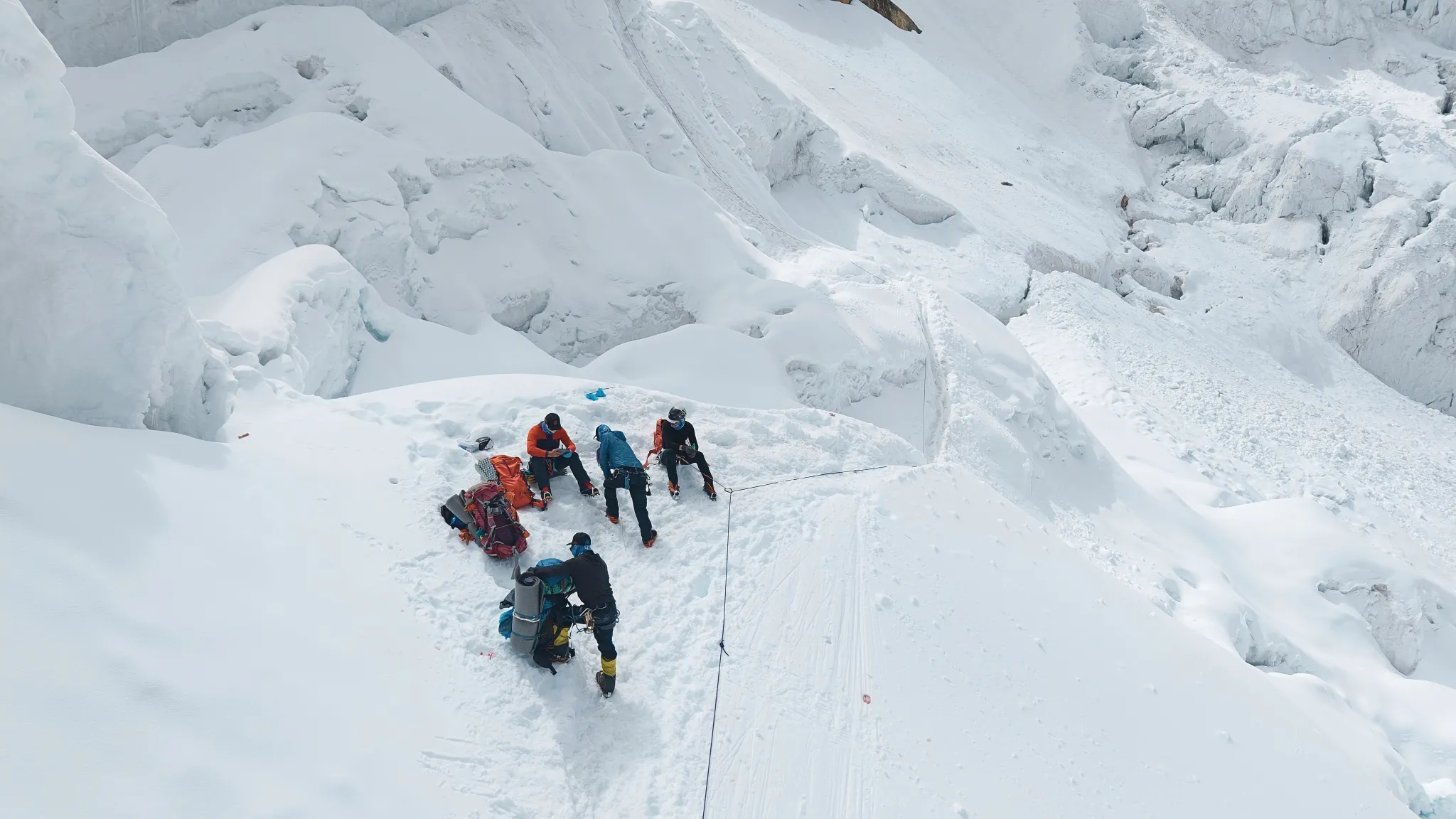
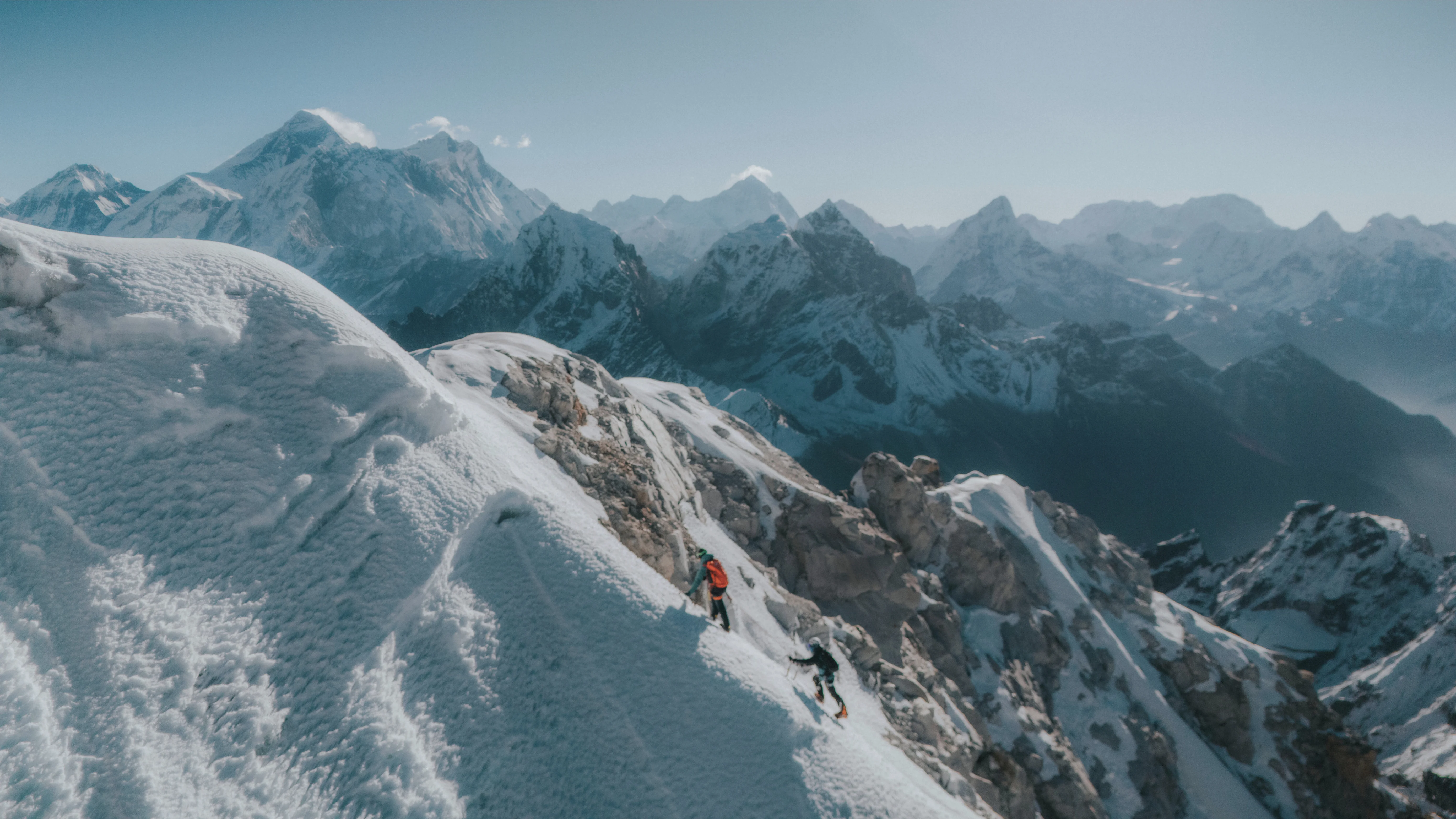
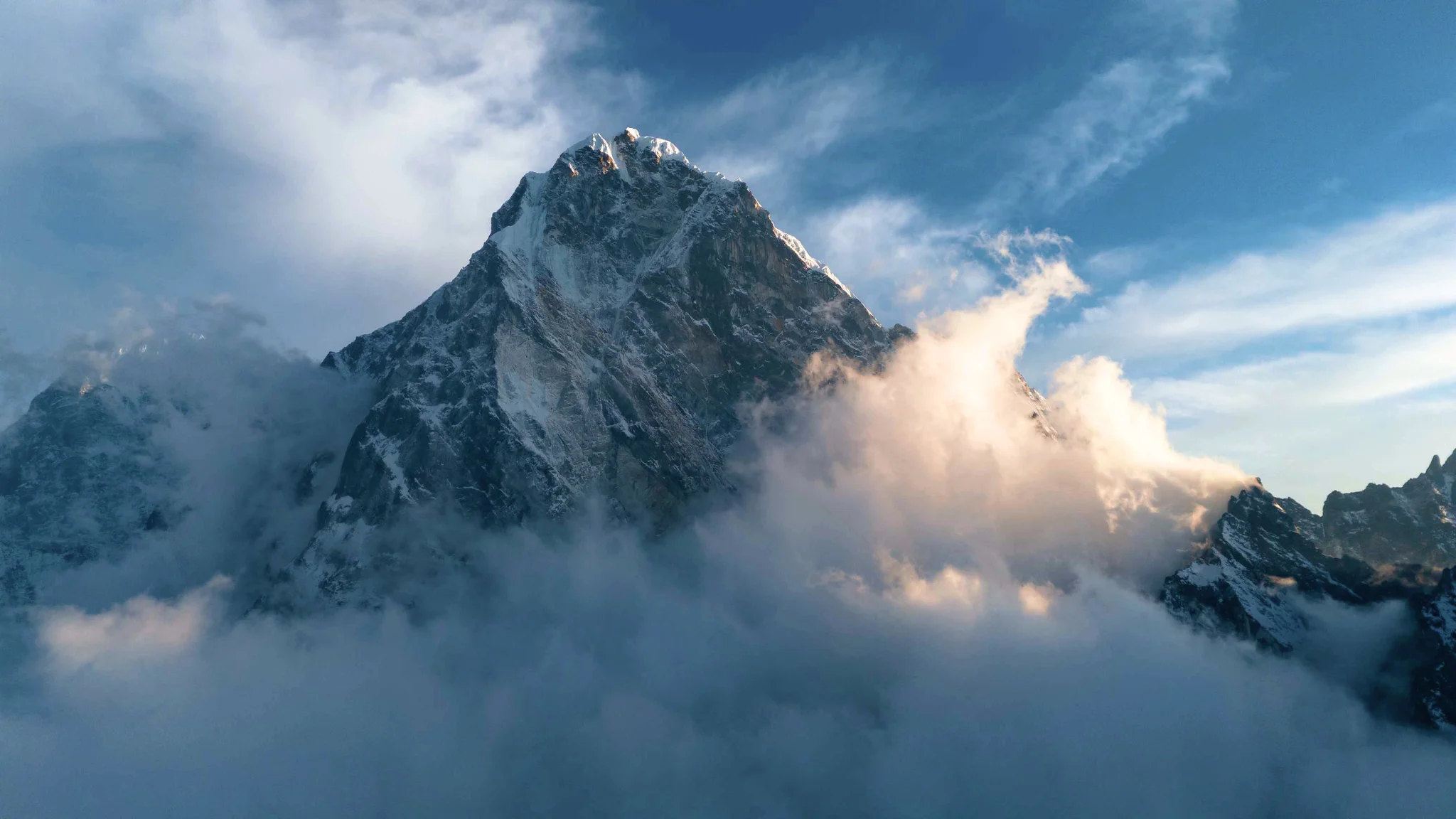
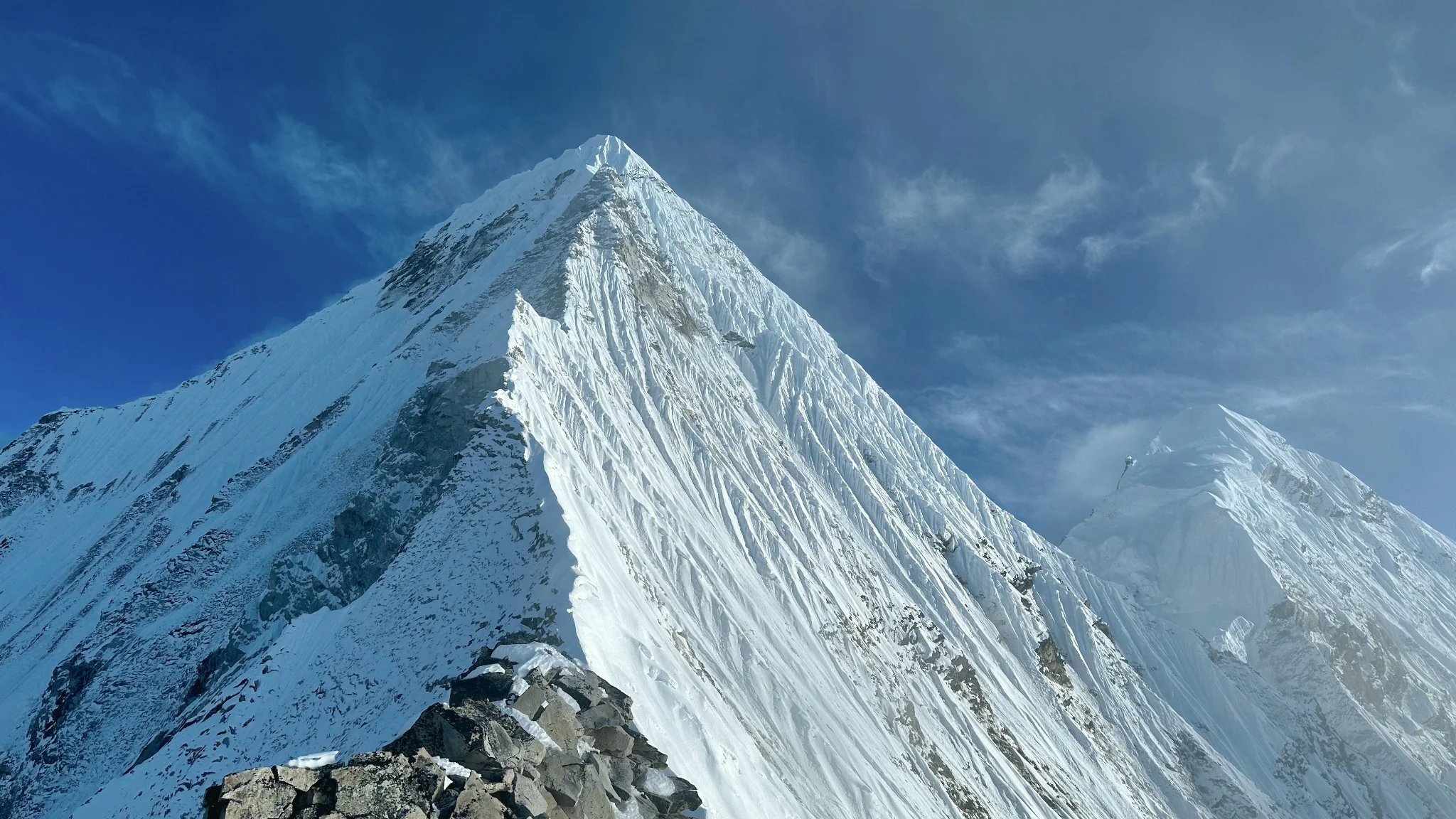
Alpine style climbing is a fast, lightweight approach to mountaineering where climbers move self-sufficiently, carrying their own gear without fixed ropes, high-altitude porters, or multiple stocked camps. It demands strong technical skill, speed, and independence, but rewards climbers with a purer, more immersive mountain experience and a lighter environmental footprint.


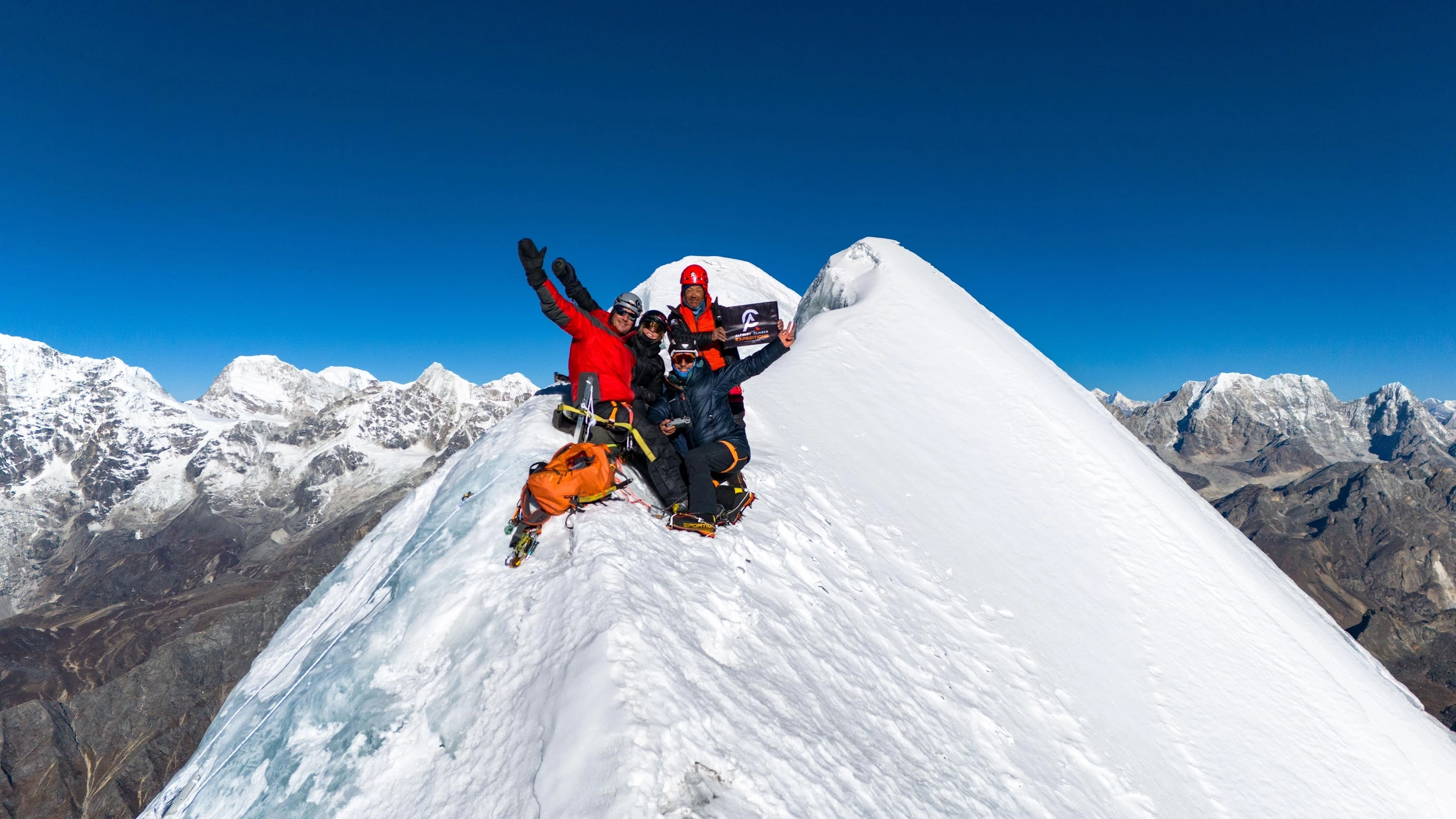
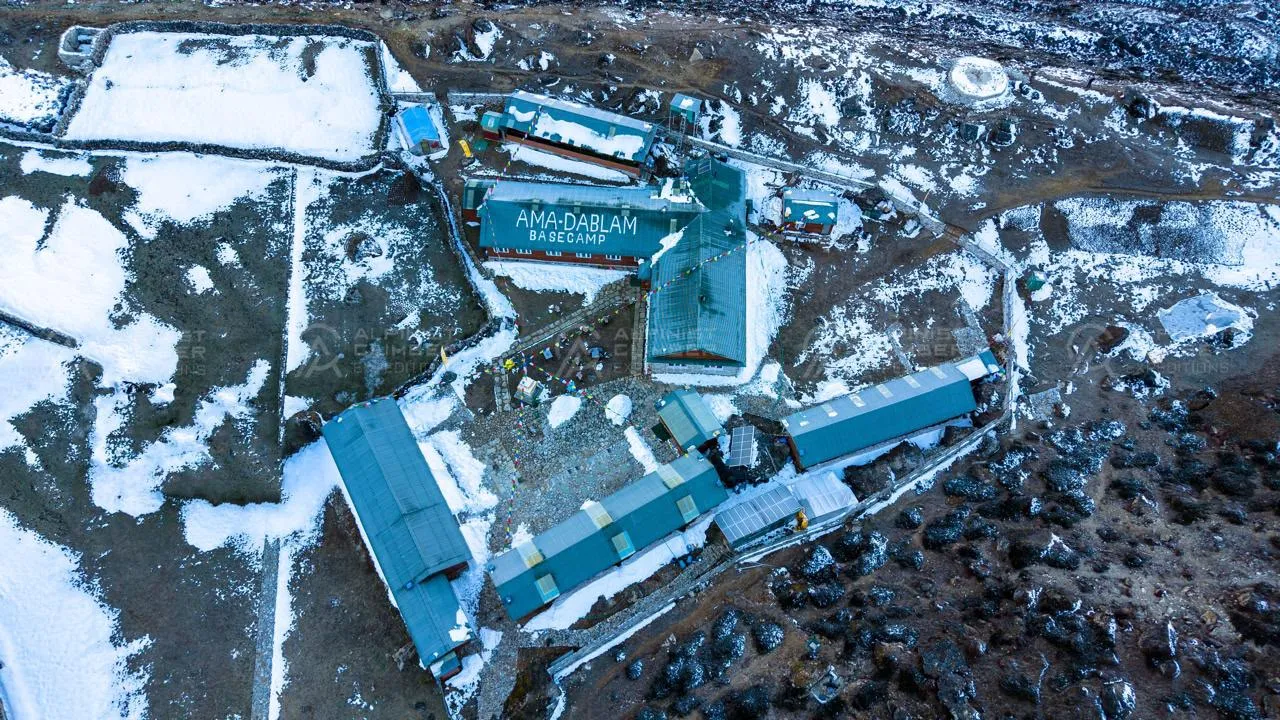
In Nepal, alpine style climbing remains rare, practiced by only a handful of experienced teams capable of guiding it safely on high-altitude peaks. Since 2021, Alpinist Climber Expeditions has been one of the pioneering companies offering dedicated alpine style expeditions in the region, combining technical route knowledge, careful acclimatization planning, and small-team logistics to help climbers take on Nepal's peaks the alpine way.


Browse our alpine style climbing packages below to find an expedition that matches your experience and ambition.
Client Stories

From the Summit

Expedition Journal

Dispatches from the Mountains

All Articles
High Altitude Kit List: What our IFMGA Guides Actually Carry
Expedition Report

High Altitude Kit List: What our IFMGA Guides Actually Carry

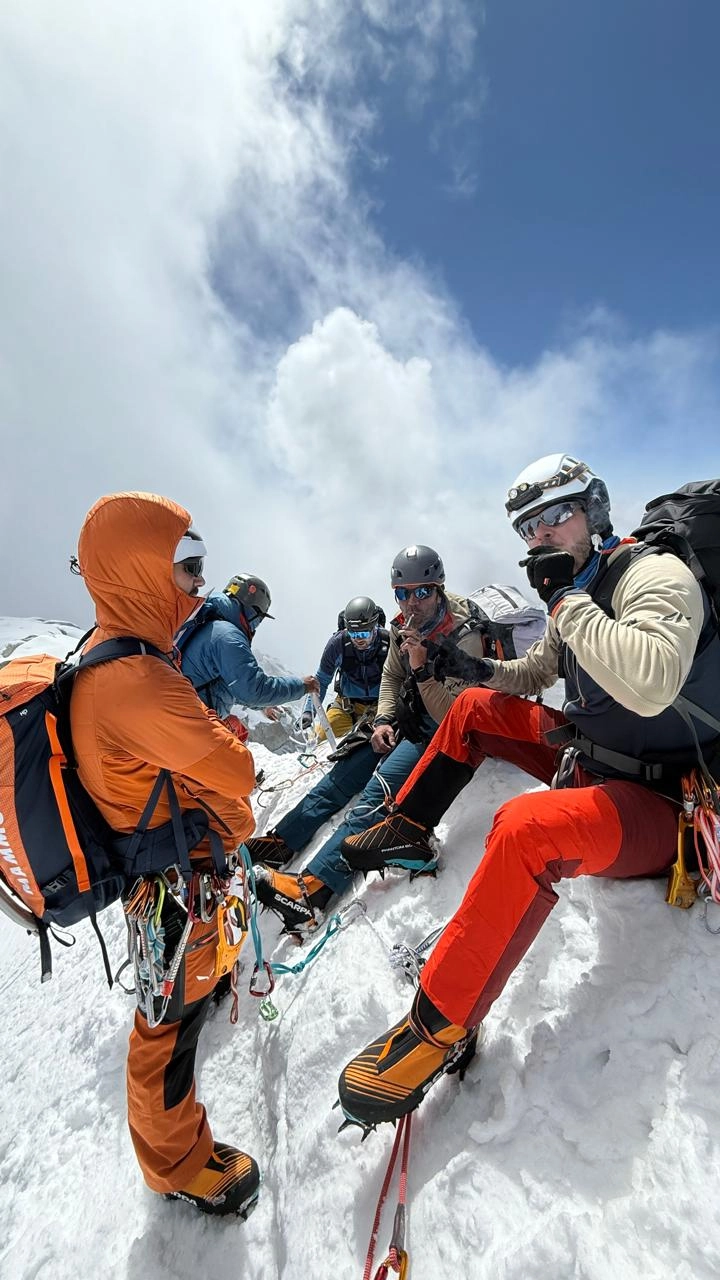
Climbing at high altitude demands more than strength and determination — it requires the right equipment, careful preparation, and the ability to respond to changing mountain conditions. Our IFMGA-certified mountain guides carry specialized gear not only for their own safety but for the well-being of the entire team. Their packs are carefully organized with technical climbing equipment such as harnesses, helmets, crampons, ice axes, carabiners, ascenders, descenders, and safety slings, allowing them to manage steep snow, ice, and glacier terrain. Depending on the route, they may also carry snow pickets, ice screws, and extra rope for protection and rescue situations. Safety Safety is always the top priority, so guides include a comprehensive high-altitude first aid kit, emergency bivy sack, crevasse rescue gear, and reliable communication devices such as satellite phones or radios. Navigation tools like GPS units and altimeter watches help maintain route accuracy, especially in poor visibility. Proper clothing is equally critical in extreme environments, and guides rely on a layering system that includes moisture-wicking base layers, insulating mid-layers, expedition-weight down jackets, and waterproof outer shells. They also carry multiple gloves, glacier sunglasses, goggles, and face protection to guard against wind, cold, and intense UV exposure. Navigation & Planning Tools Even on established routes, visibility can drop suddenly due to storms or whiteouts. Guides carry: Detailed route knowledge and maps GPS waypoints Weather updates via communication devices Climbing plan with turnaround times Decision-making tools are just as important as physical gear. At high altitude, the smallest item can make a life-saving difference. Our IFMGA guides pack with purpose, balancing weight with safety and efficiency. Their experience ensures that nothing essential is left behind — because in the mountains, preparation is everything.

Sep 15, 2025 Read Article →
Stay Connected