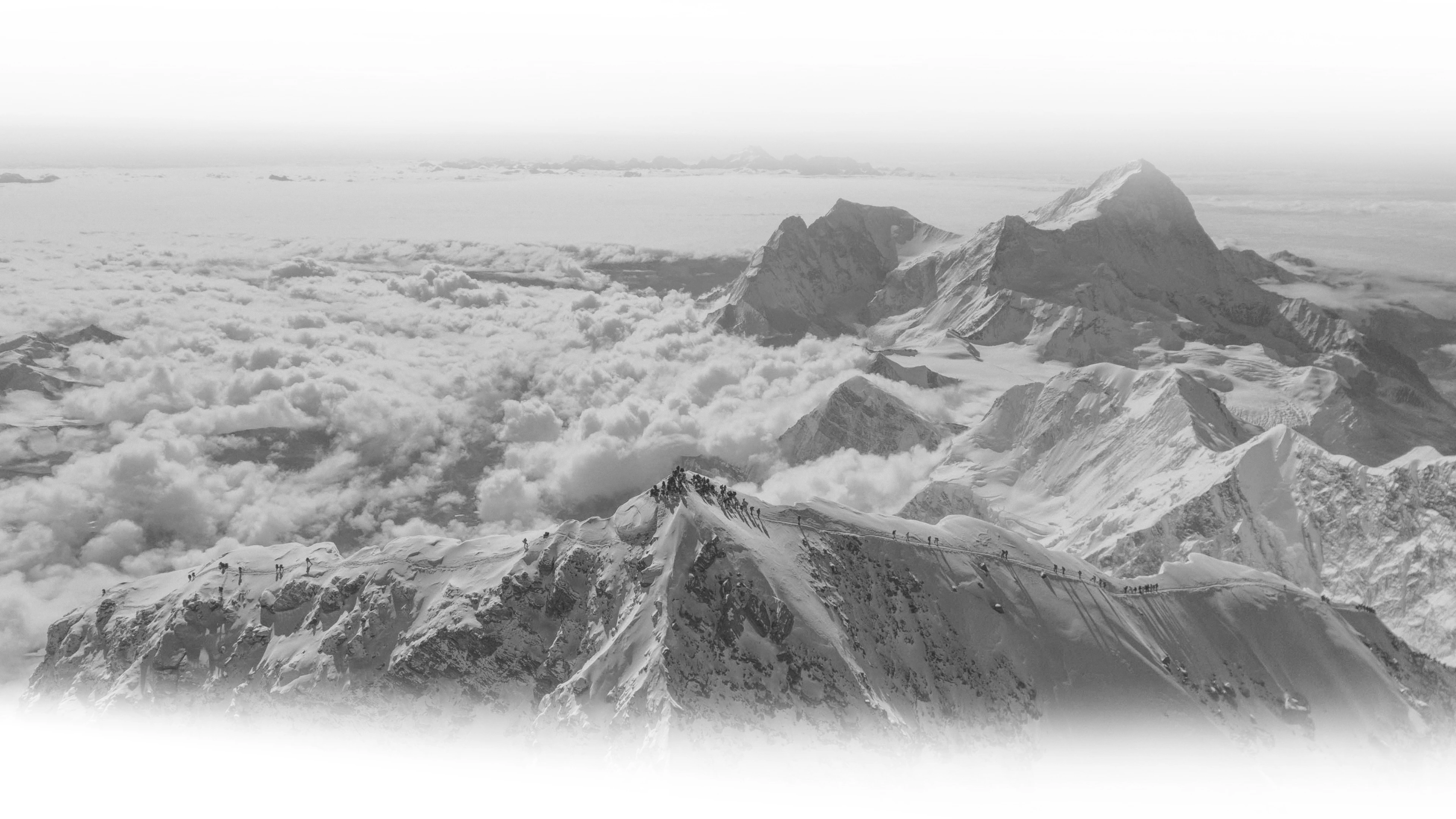
Our 2026 Manaslu expedition is over. We did not reach the summit this year. Every client and every staff member on our team is safe, and most of the team is already back in Kathmandu. Here is why we made that call, and what was happening on the mountain around us.
Two Solid Rotations, Then a Change in the Weather
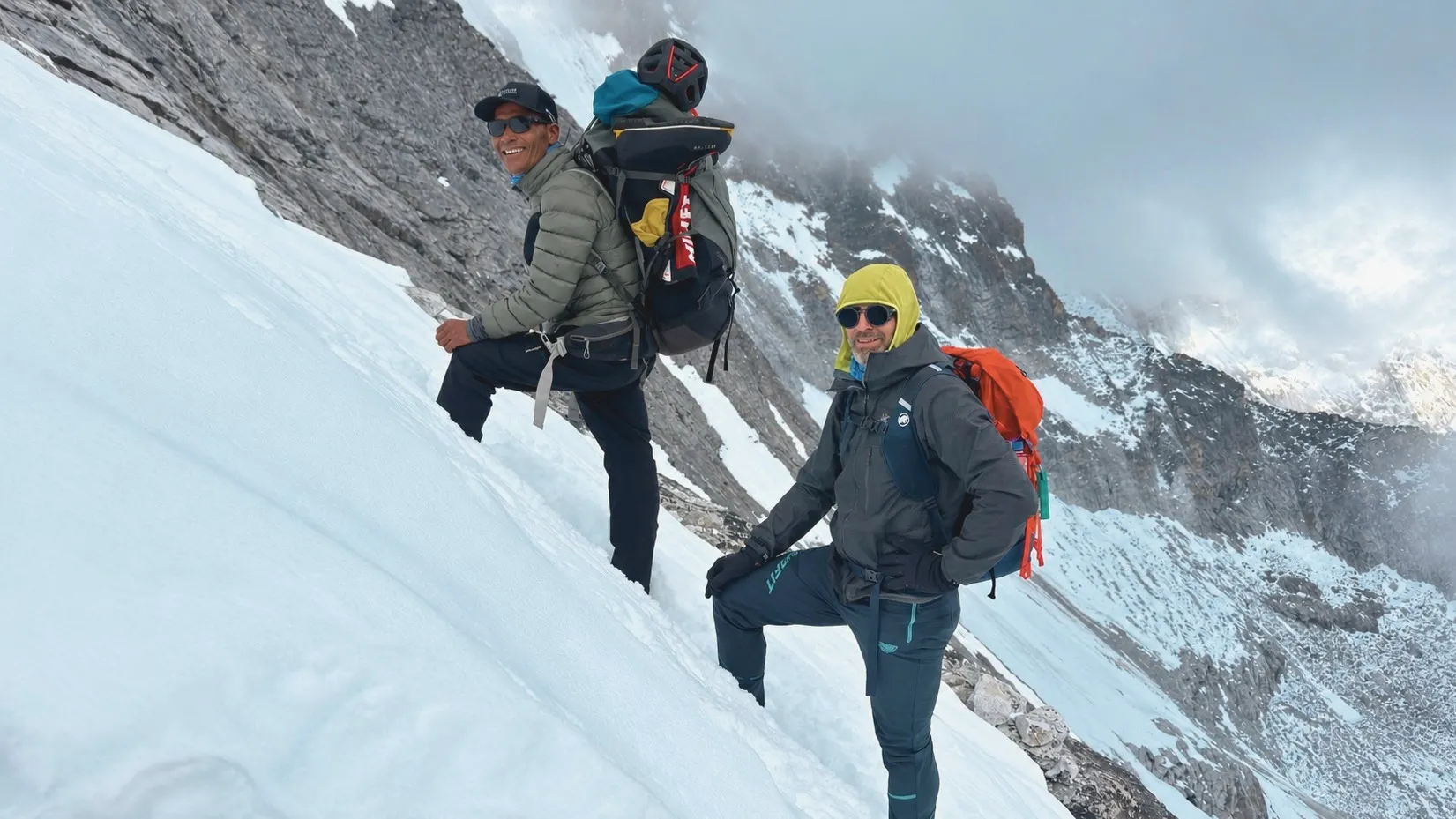
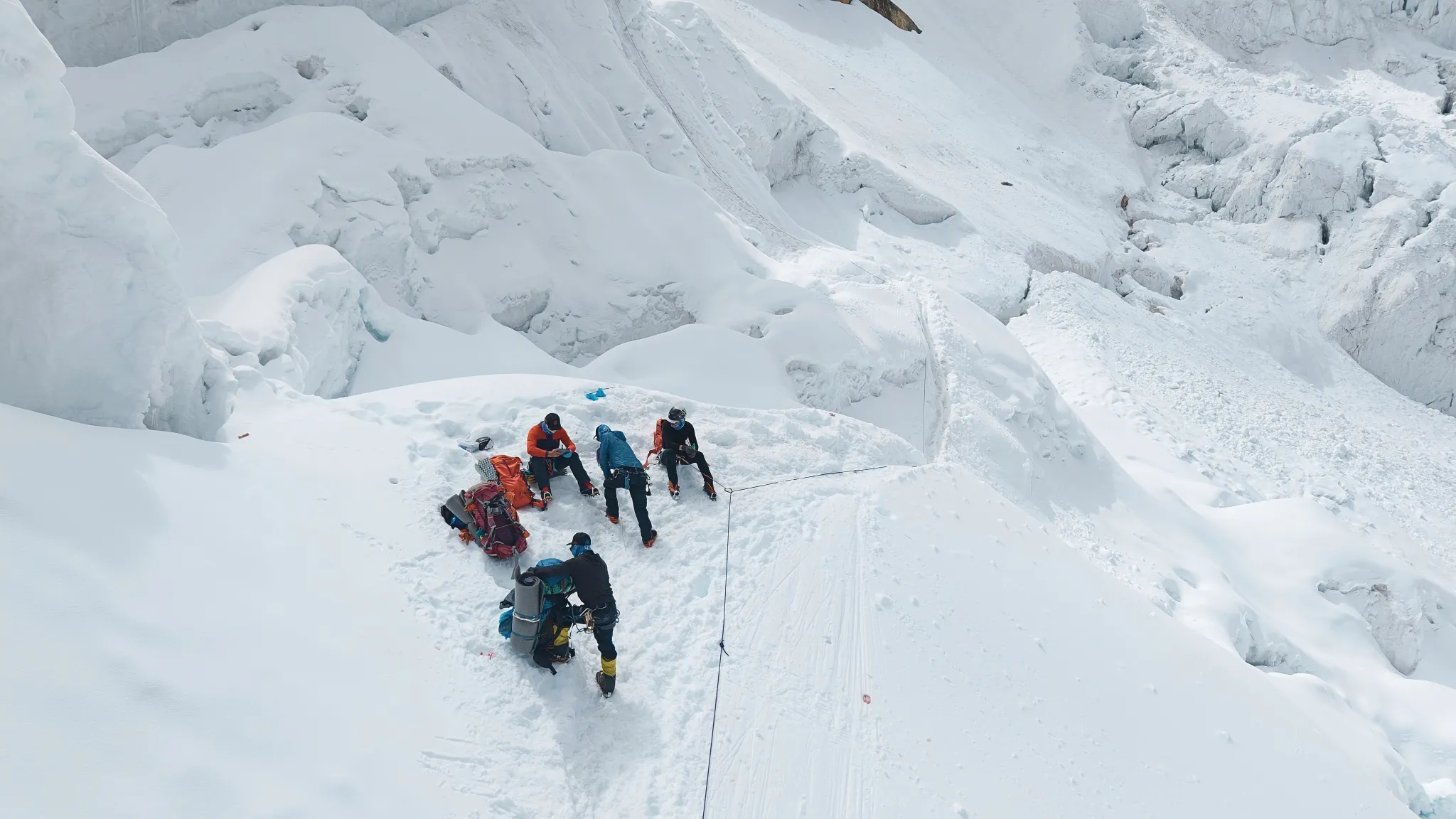
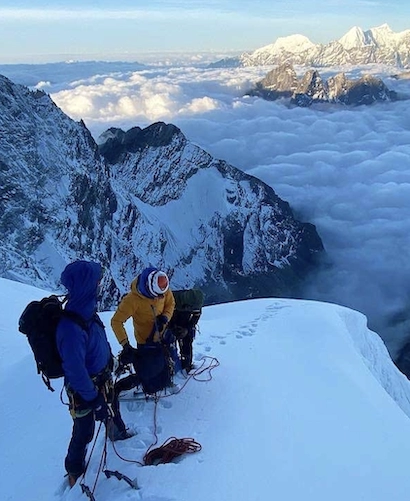
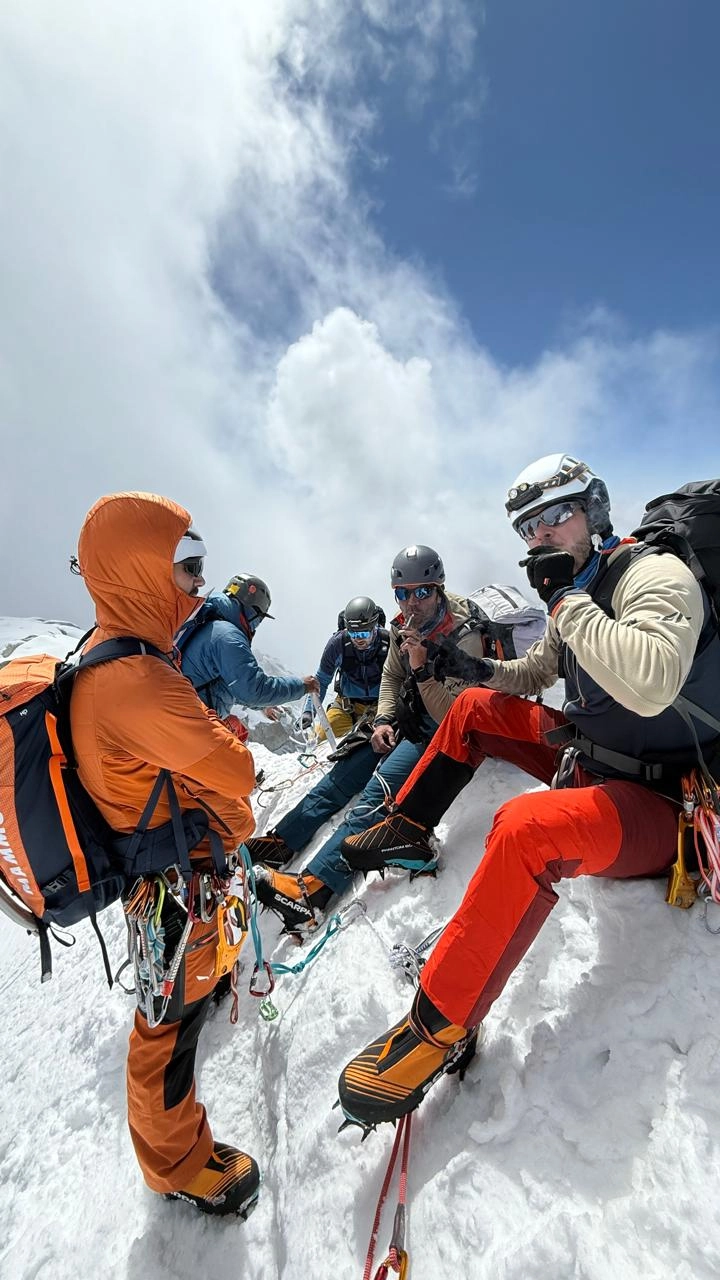
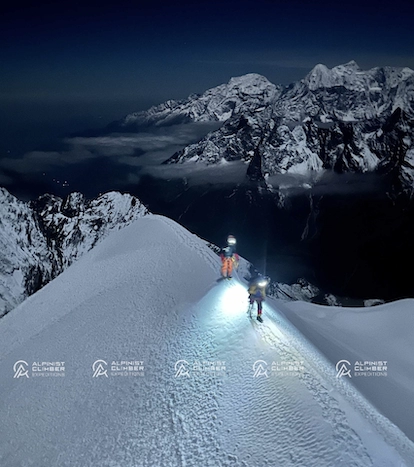
Under the guidance of IFMGA guide Prakash Sherpa, our team completed two full rotations on Manaslu to prepare for the summit push. Climbers slept at the higher camps, tested their gear, and let their bodies adjust to thinner air. This is normal, careful expedition work, and our team did it well.
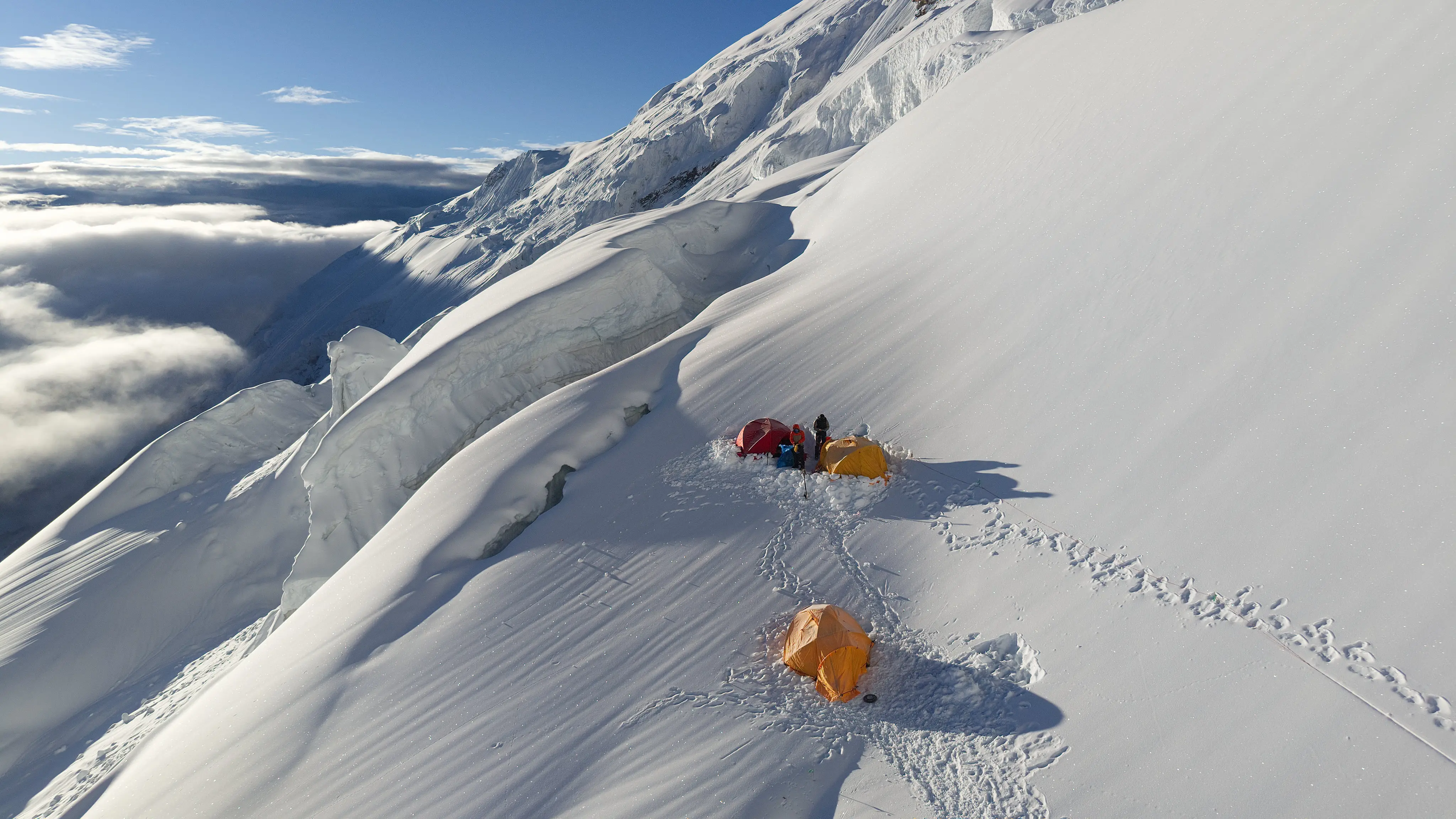
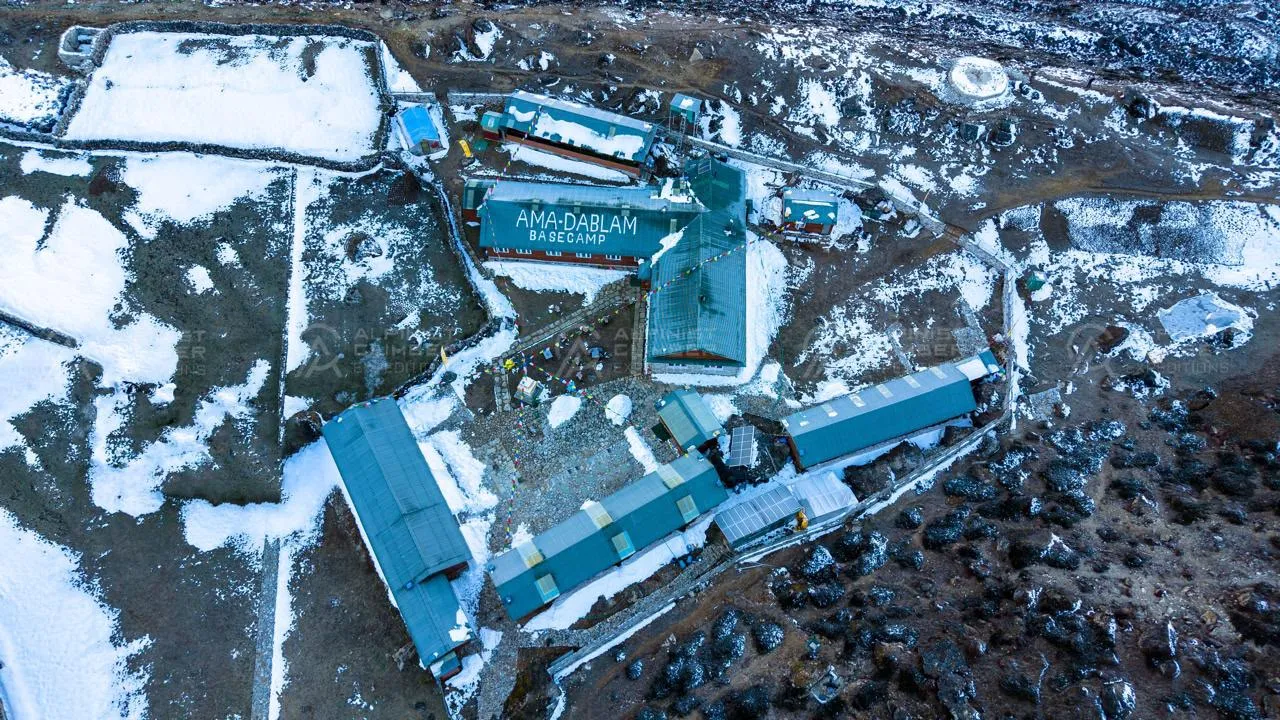
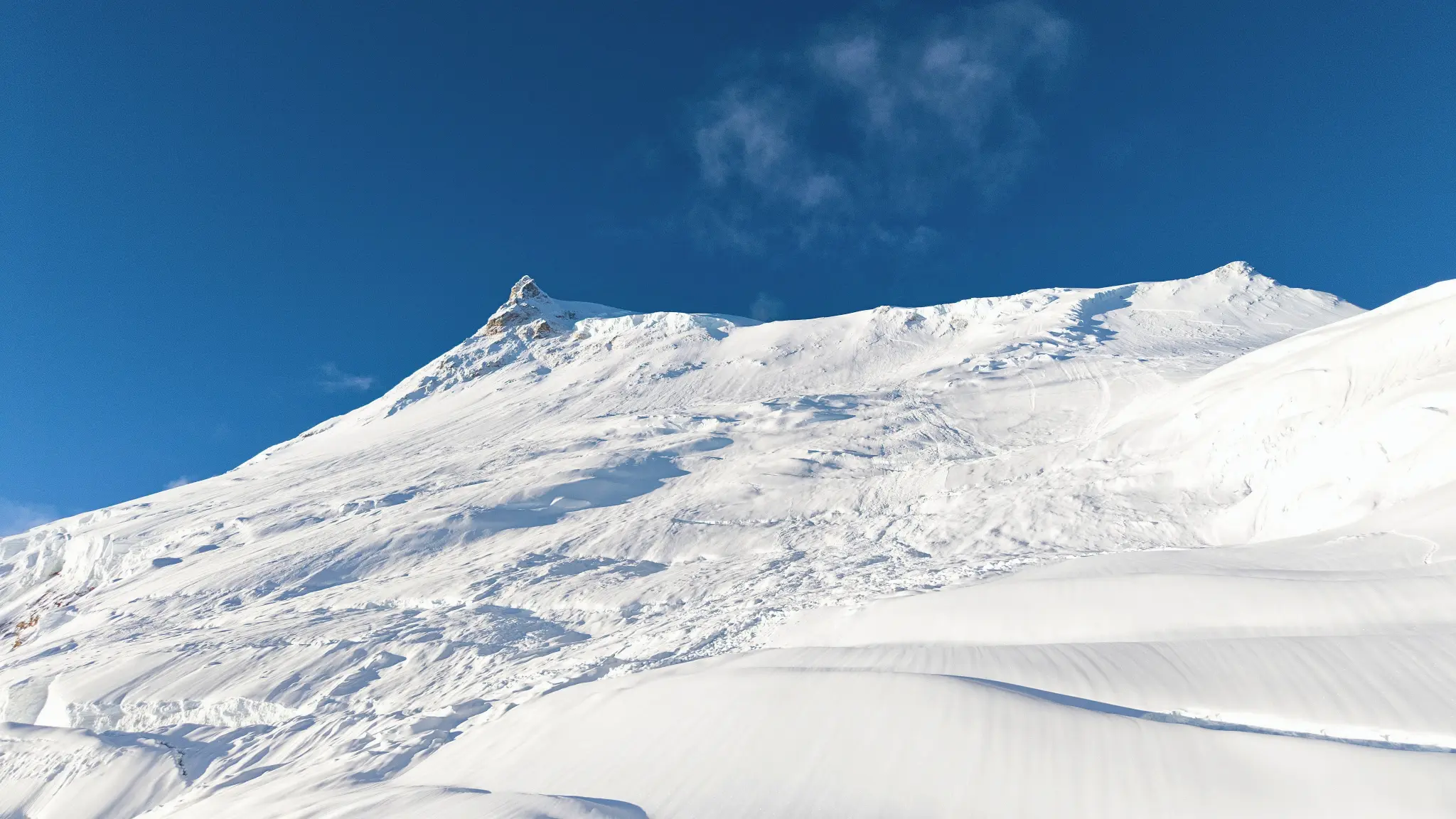
Then the weather turned. Snow began falling and did not let up. Our guide, who has climbed on Manaslu for many seasons, described this year's pattern as something he had not seen before on this mountain. The upper slopes filled with loose, unstable snow, known as slab, and avalanche risk climbed fast. Even Base Camp itself was no longer fully clear of danger, with avalanche risk building on the slopes nearby.
The forecast made the picture clearer. Starting Thursday, a band of very humid air was due to reach Manaslu, and forecasters expected between 150 and 350 millimeters of new snow, an unusually large amount for a short period. This system was expected to affect weather across Nepal, not only on this one mountain.
The Highest Point We Reached
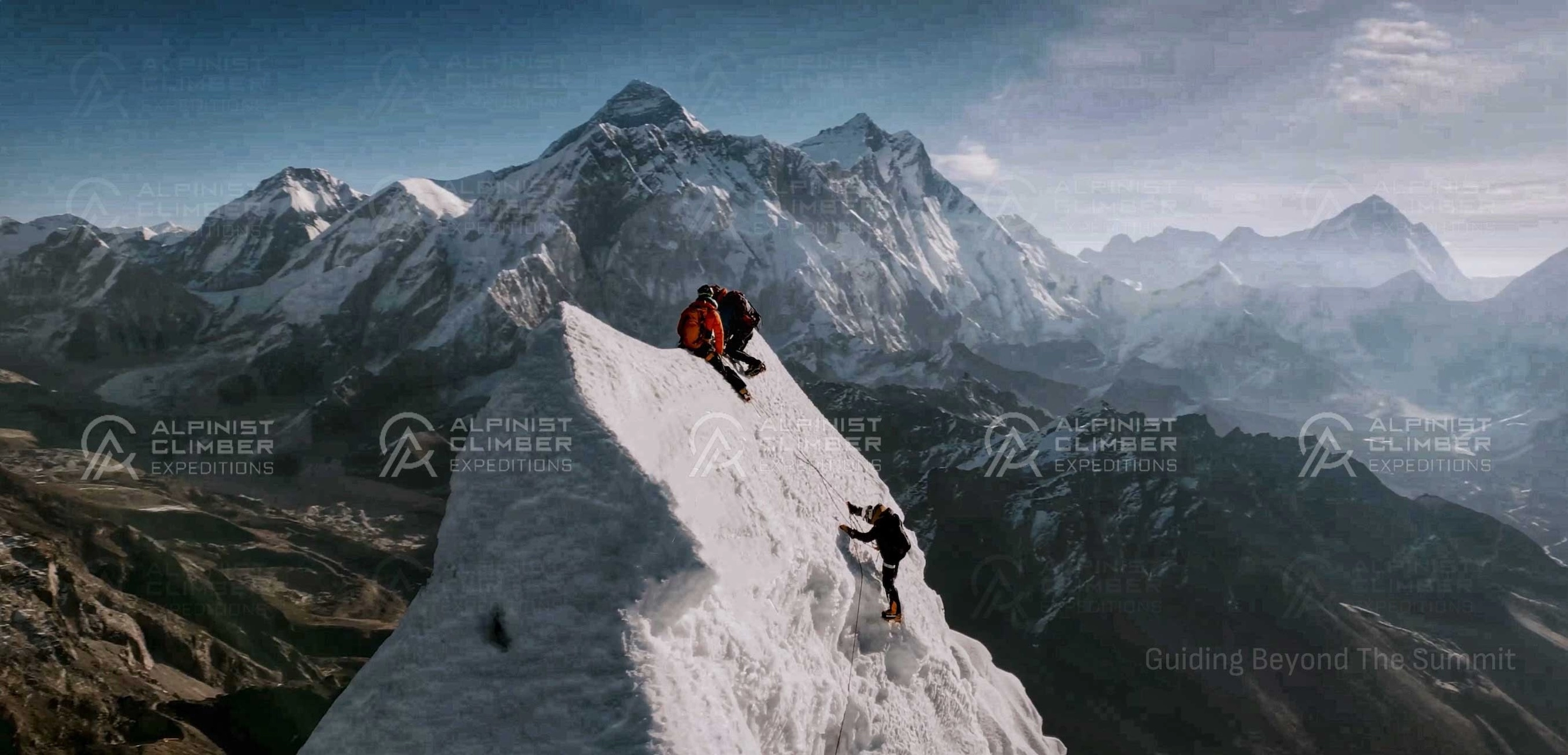
After the rope-fixing team opened the route toward the summit earlier in the season, our team was the only team this season to reach 7,100 meters. Getting that far took real skill and teamwork from every Sherpa on our staff and every client on the trip. But 7,100 meters is not the summit, and pushing higher in these conditions was not a risk worth taking.
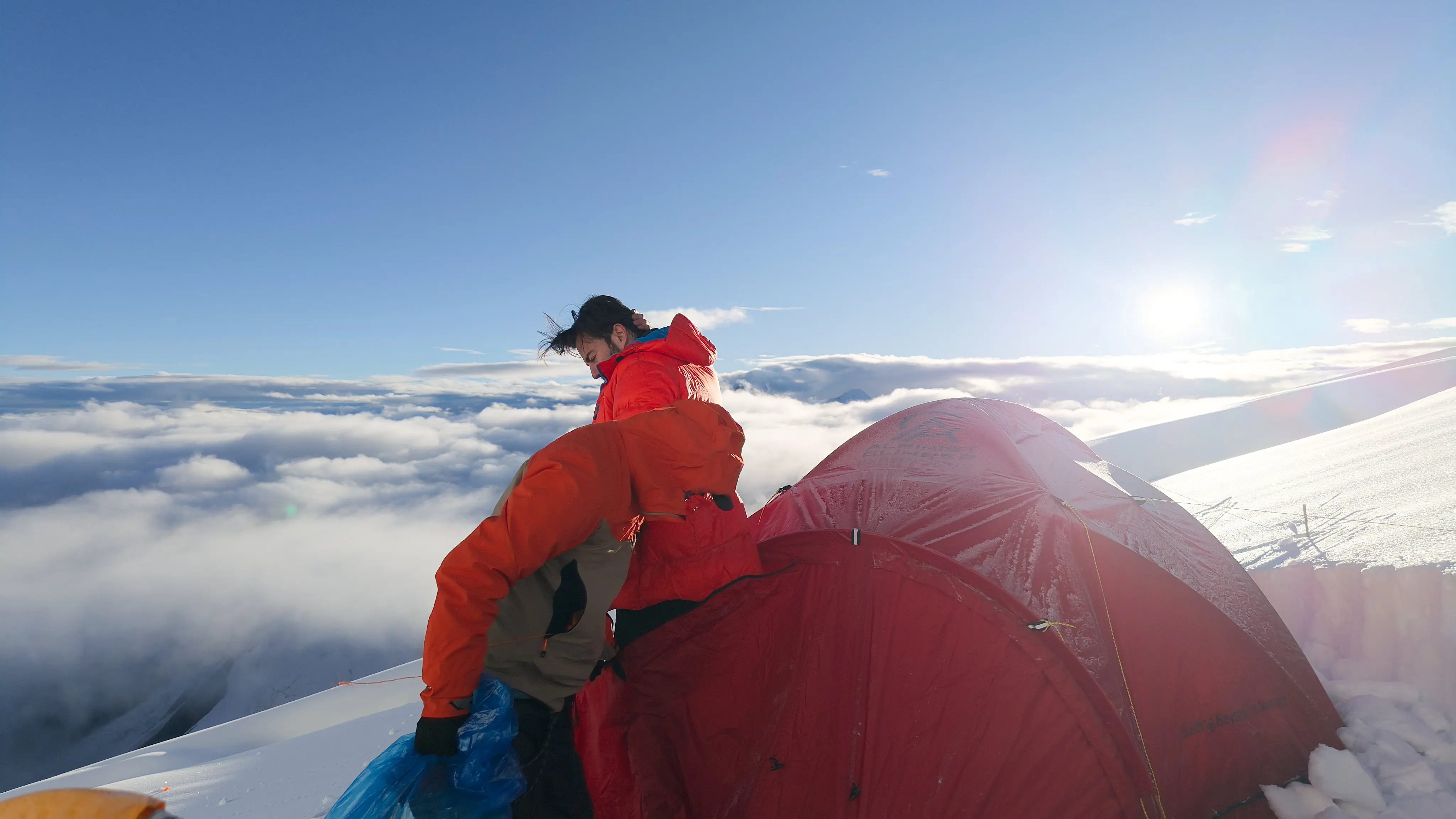 Manaslu 2026 Expedition with ACE
What Was Happening Across the Mountain
We were not making this decision alone. According to ExplorersWeb, a mountaineering news site that has followed the 2026 Manaslu season closely, high avalanche risk led several outfitters to end their seasons this same week, with climbers and rope-fixing staff alike returning to Base Camp. Even the professional rope-fixing team responsible for maintaining the line toward the summit turned back rather than cross the loaded upper slopes.
This was shaping up to be a record season on Manaslu, with permits reportedly issued to more than 500 foreign climbers and a similar number of supporting guides. A large number of operators on the mountain confirmed that they were closing their Manaslu 2026 season for the safety of everyone involved. It says something about how serious conditions had become for everybody on the mountain, not only for smaller teams like ours.
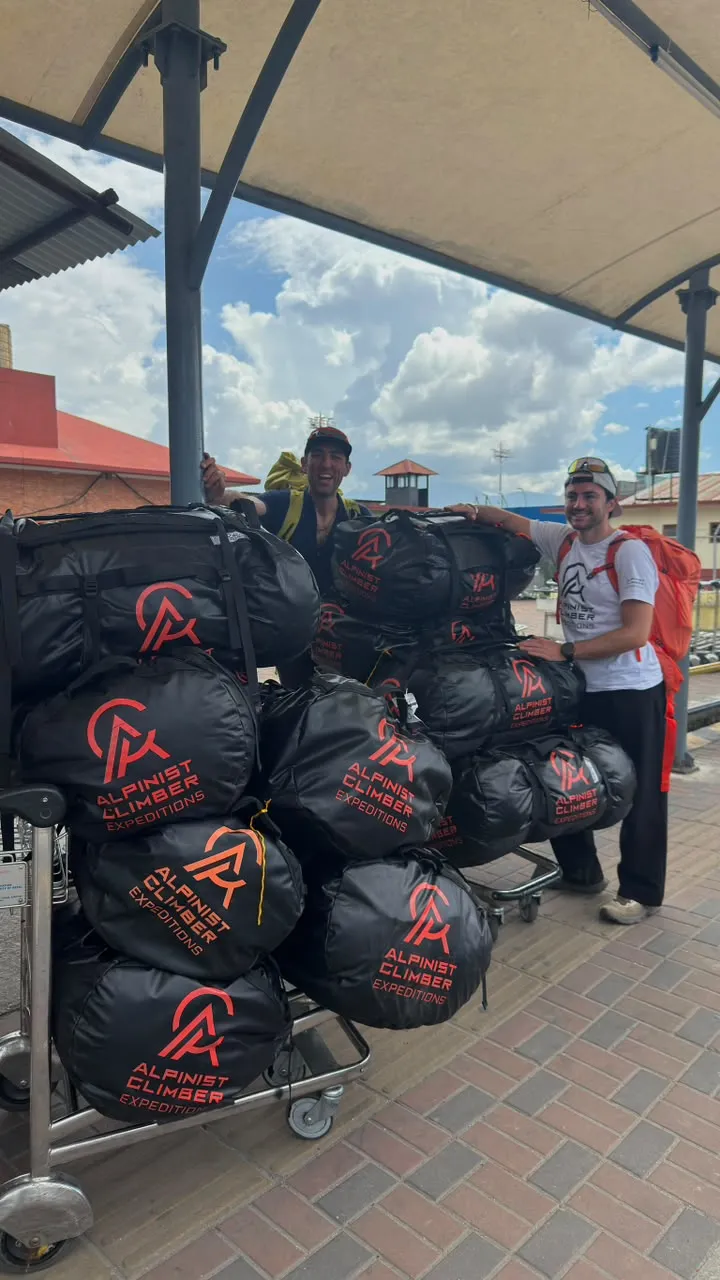
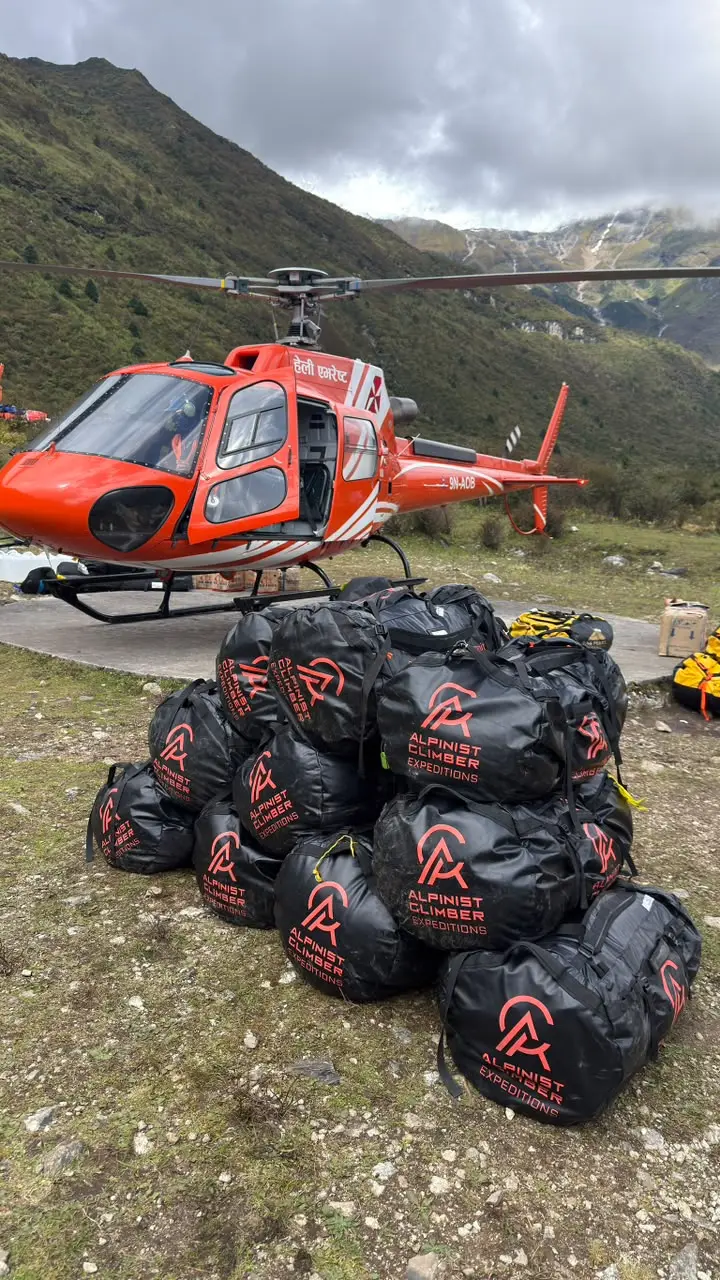
Helicopters carried climbers from Base Camp down to the village of Samagaun, and on to Pokhara or Kathmandu, as teams evacuated over the following days. Our own clients and Sherpa staff followed a similar path home.
Why We Didn't Wait It Out
Waiting is sometimes the right choice in the mountains. This time, the numbers did not favor waiting. Forecasters were tracking a large storm system building over the Bay of Bengal, expected to reach Nepal within a day or two and bring more heavy snow, with helicopter flights likely grounded for weeks. A similar storm hit Nepal's mountains around this time last year and kept high trails closed for an extended stretch.
Climbing permits for Nepal's 8,000-meter peaks are usually valid for about a month, with some room to extend by one or two weeks before the season closes at the end of November. Even with that extra time, a storm expected to last for weeks, combined with a summit route that would likely need to be refixed from scratch afterward, made a return summit push very unlikely for us this season.
Good conditions on Manaslu can also close as fast as they open. In the 2025 season, 659 climbers reached the summit, but nearly all of them did so inside a single nine-day window in late September. When that kind of window does not appear, there is no shortcut around it. Waiting and hoping does not build a safe route up an 8,000-meter mountain.
Not the Only Ones to Turn Back
Roughly 90% of the expedition teams on Manaslu this season have now left the mountain. A small number of teams are still at Base Camp, hoping conditions might improve enough for one more attempt, but the chances of a safe weather window opening again this season are low.
Safety Is Not Just a Slogan for Us
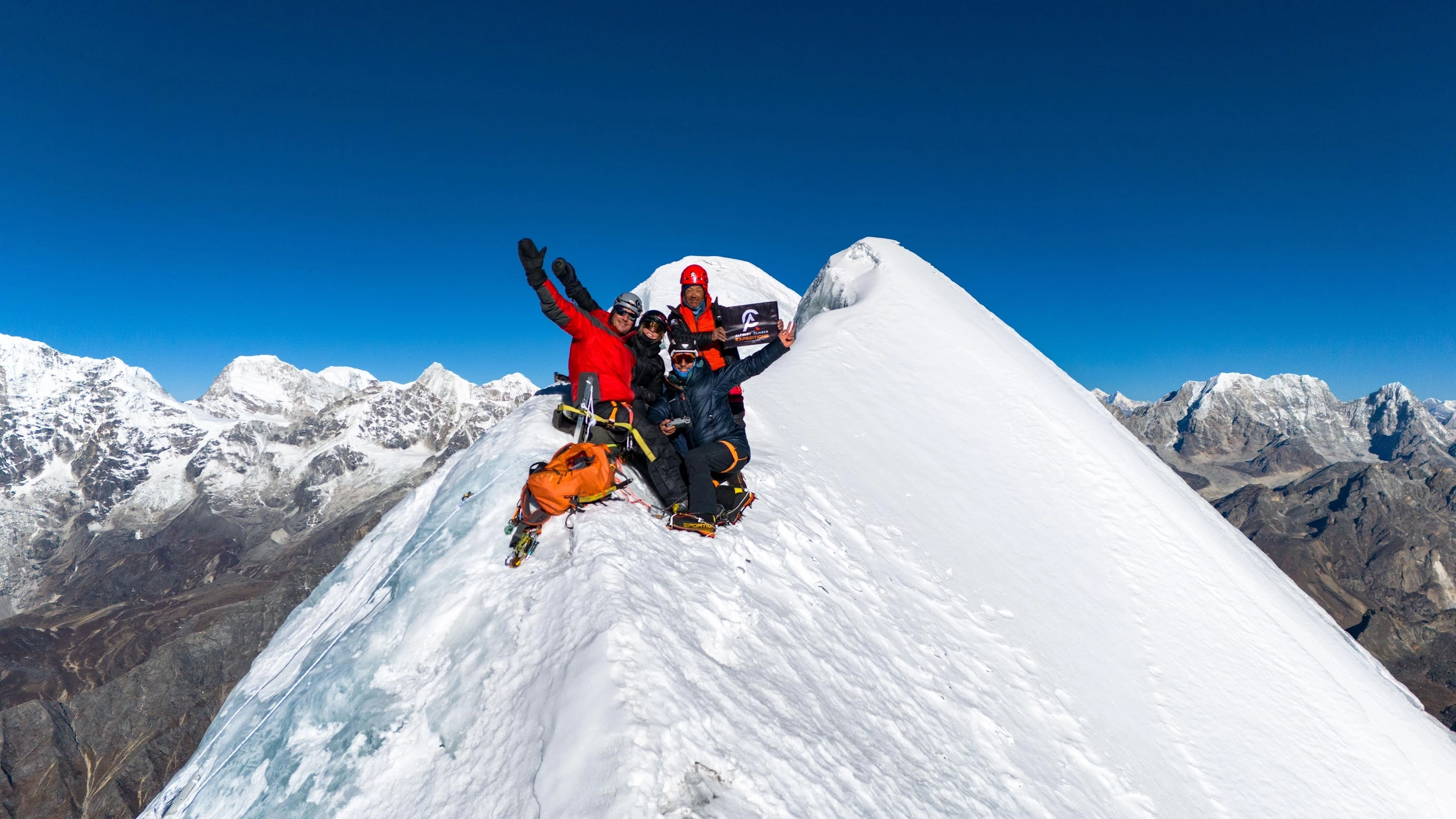
At Alpinist Climber Expeditions, we say that safety comes first, but we would rather show it than just say it. Reaching the summit is the goal every climber trains for, and it was ours too. But it has never been the only measure of success we hold ourselves to. Success, for us, also means making the right call when conditions turn dangerous, and bringing every client and every staff member home safely.
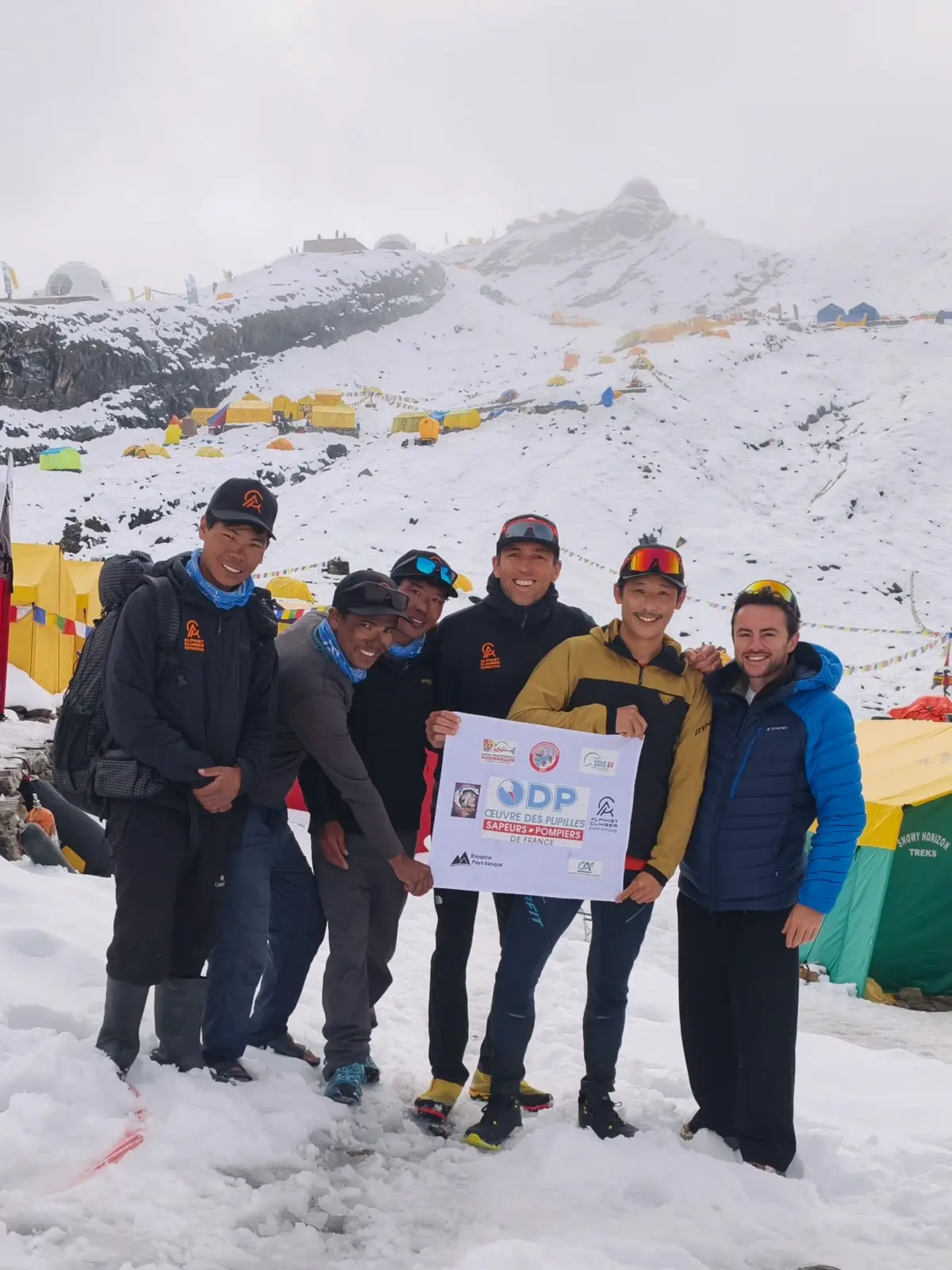 Manaslu 2026 Expedition ACE Team
We are proud of the effort, patience, and teamwork our clients and our Sherpa team showed this season, from the trek in, through two demanding rotations, to the decision to turn back. This is what real mountain guiding looks like, on the easy days and the hard ones.
In the mountains, there is one thing every guide eventually learns to respect: nature decides, not us. Manaslu will still be there next year, and so will we.
About Our Guide and Team
This expedition was led by Prakash Sherpa, an IFMGA-certified mountain guide, working alongside our full team of experienced Sherpa climbers. IFMGA certification is the highest standard in mountain guiding worldwide. It means our lead guide has trained not only in climbing, but in weather judgment, rope systems, rescue skills, and expedition leadership. That training matters most in exactly this kind of moment, when the safe choice and the popular choice are not the same thing.
Alpinist Climber Expeditions Since 2021
We have run Himalayan climbs and treks in Nepal since 2021. Every expedition we lead is guided by experienced Sherpa climbing guides, with the same safety-first approach behind every decision, on Manaslu and on every mountain we climb.
What Comes Next
We are preparing a follow-up article that looks more closely at what happened on Manaslu this season, the conditions our team and others faced, and why every climbing team should respect the mountain's limits. Watch this space for that update.
If you are planning a future Himalayan expedition, our team would be glad to help you plan a climb built around the same safety-first approach you have read about here.
FAQs
Why was the Manaslu 2026 season called off?
Heavy snow loaded the upper slopes with unstable slab, and several of Nepal's largest operators ended their seasons the same week. A forecast cyclone threatened weeks of further snow and grounded helicopters, so Alpinist Climber Expeditions brought its full team home rather than push higher.
How high did Alpinist Climber Expeditions reach on Manaslu in 2026?
After completing two rotations, our team reached 7,100 meters, the highest point of any team on Manaslu this season, before turning back due to avalanche danger and incoming heavy snow. Safety, not the summit, guided the final decision.
Why did Alpinist Climber Expeditions end the Manaslu 2026 climb?
Heavy, unstable snow on the upper mountain created high avalanche danger, and a big storm was forecast to bring more snow for weeks. We chose to bring our team home rather than wait for conditions that might not improve this season.
Did the team reach the summit of Manaslu in 2026?
No. The team reached 7,100 meters, the highest point of any team this season, but turned back before the final push for safety reasons.
Was anyone hurt on our expedition?
No. Every client and every staff member returned to Kathmandu safely. One of our tents was buried by snow but none of our team members were hurt.
Were other teams also leaving Manaslu this week?
Yes. Around 90% of teams on the mountain had left or were leaving, including some of Nepal's largest operators.
Why didn't the team wait a few more weeks for the weather to clear?
A large storm system was forecast to reach Nepal within a day or two and was expected to ground helicopters and block trails for an extended stretch. Even with extended permits, a safe summit window this season became very unlikely.
Who guided this expedition?
The Manaslu 2026 Expedition organized by ACE was led by Prakash Sherpa, an IFMGA-certified mountain guide, together with our full Sherpa climbing team.