Manaslu Expedition 2026 Update: Summit Push Plan and Weather at Base Camp
Home / Manaslu Expedition 2026 Update: Summit Push Plan and Weather at Base Camp

Manaslu Expedition 2026 Update: Summit Push Plan and Weather at Base Camp

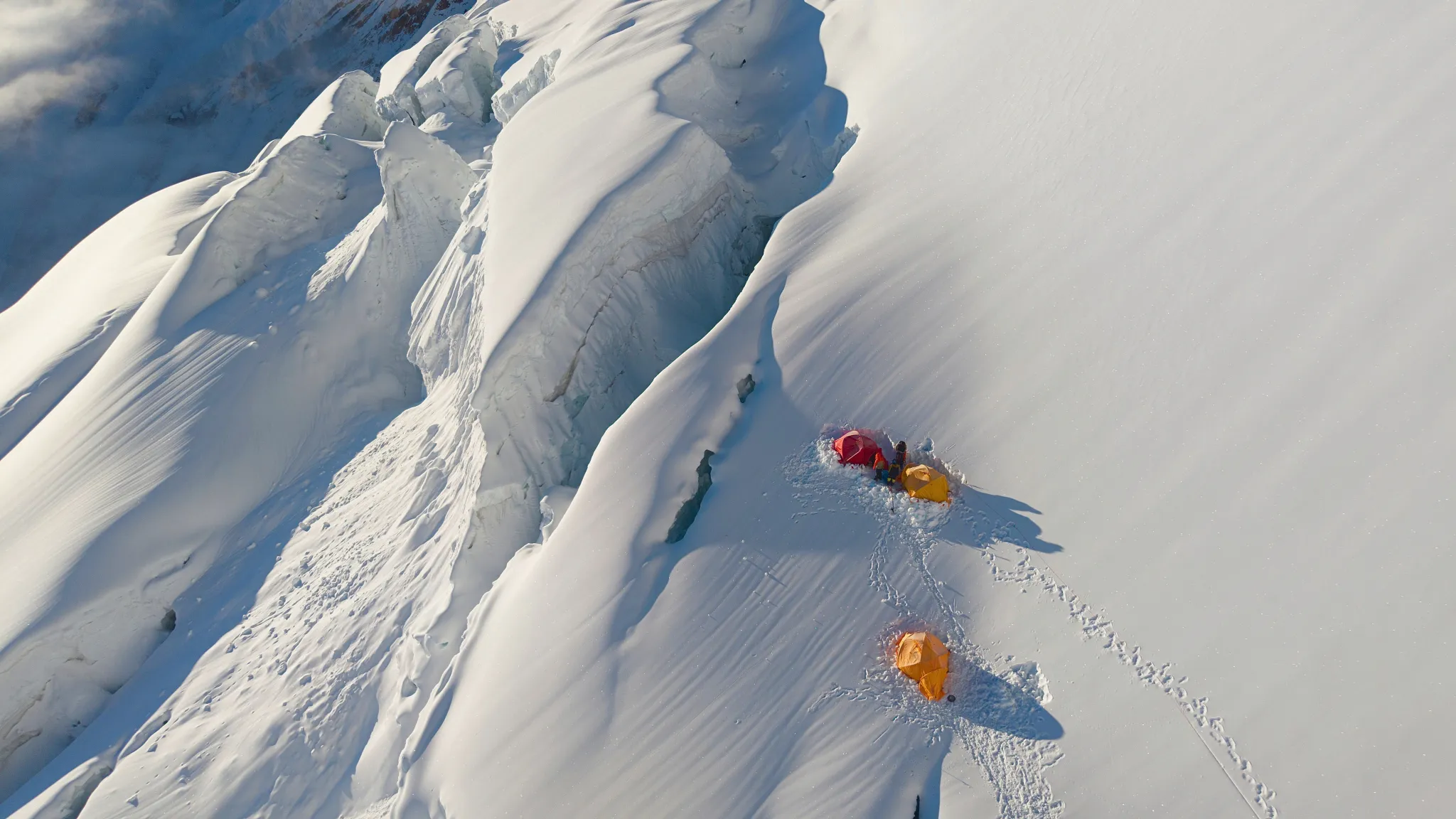
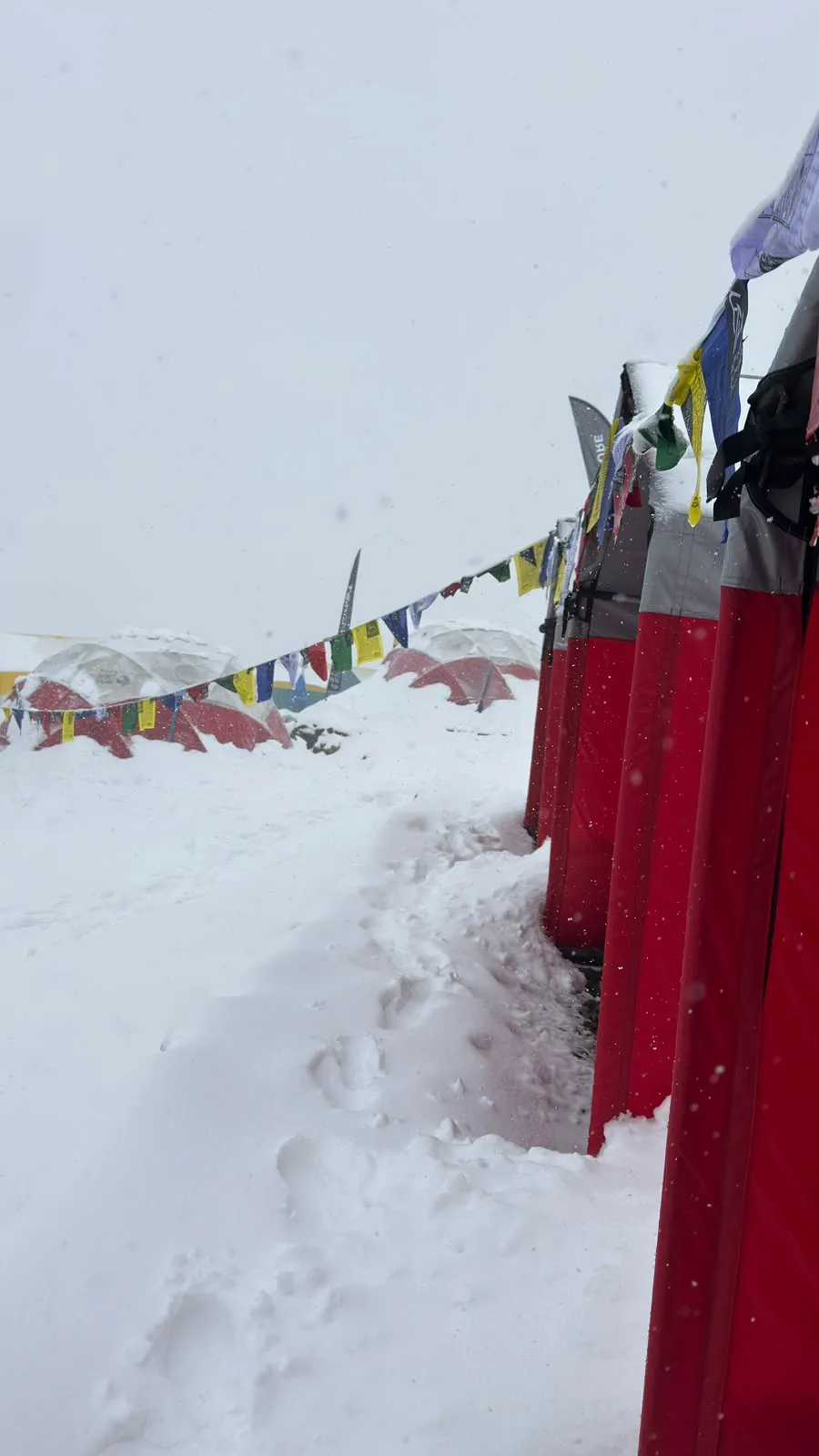
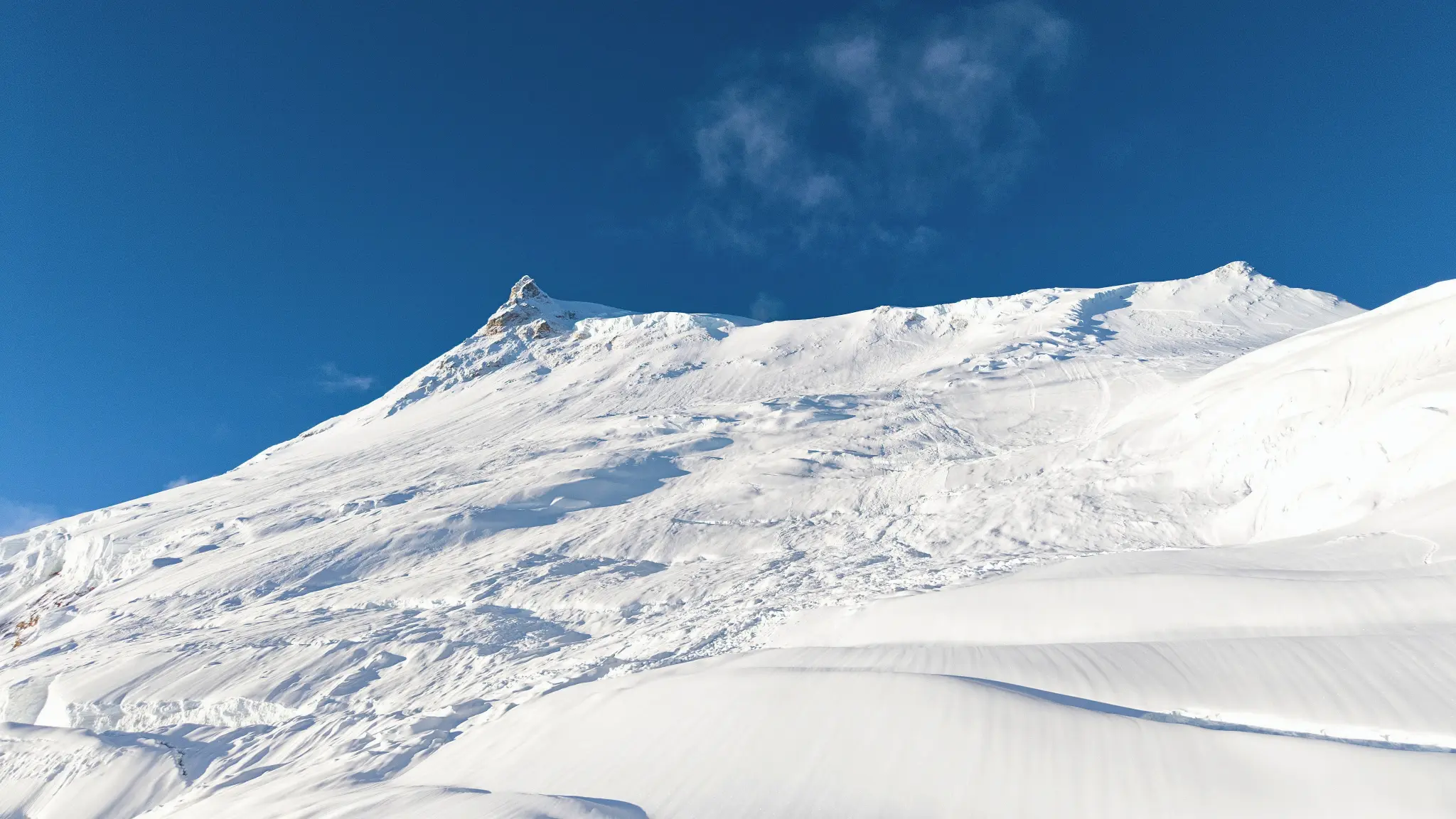
Heavy snow has covered Manaslu Base Camp. Our team has finished its acclimatization rotation and is preparing for the summit push. But on an 8,000-meter mountain, the weather makes the final call.


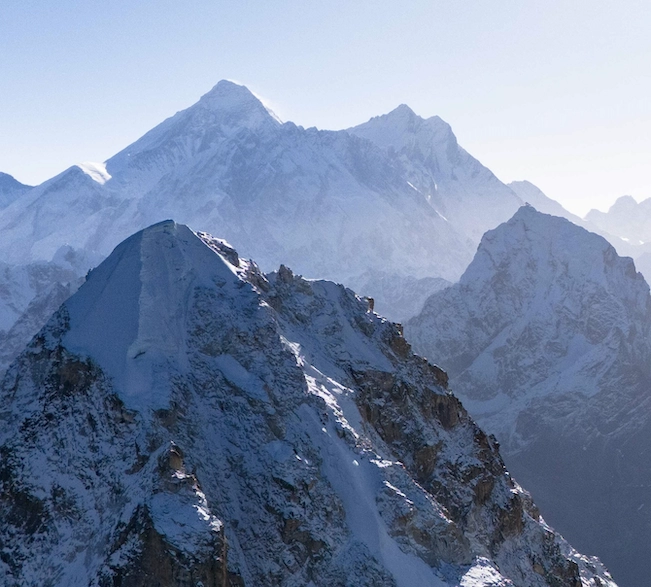
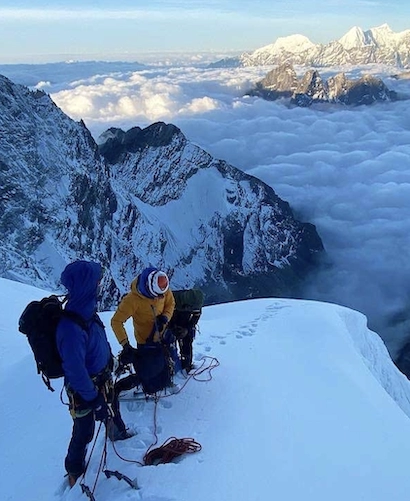
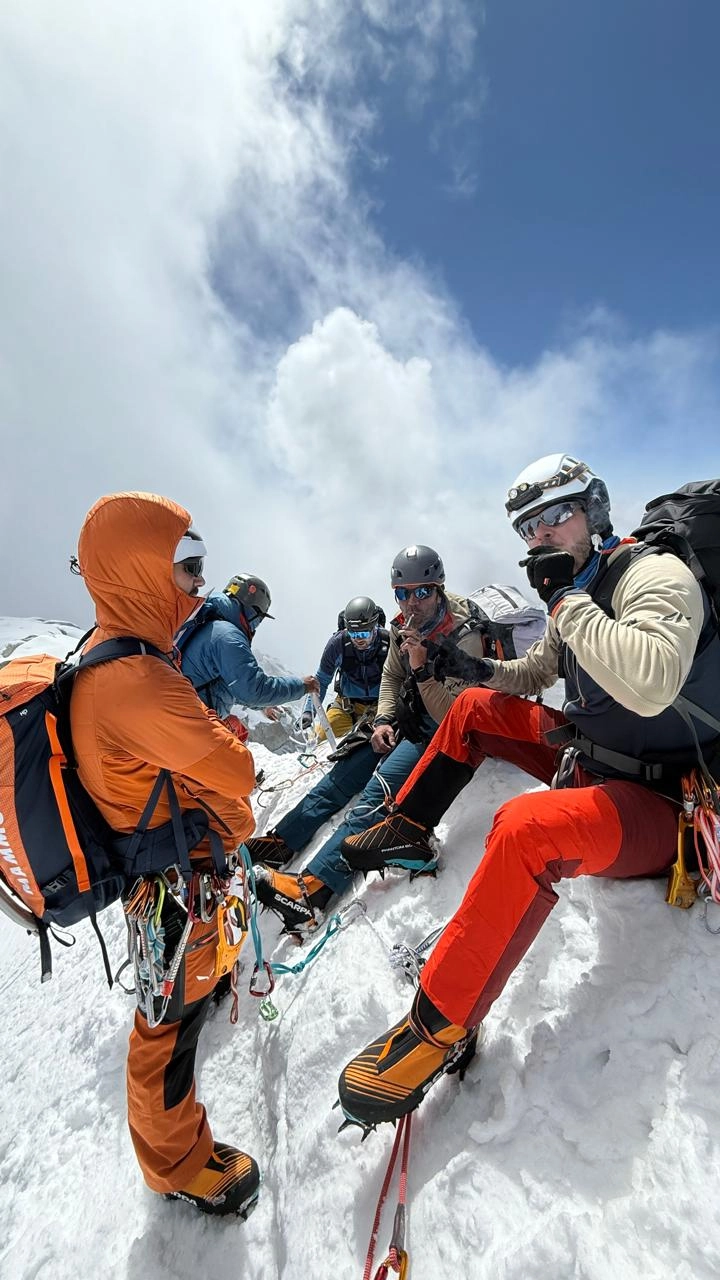
Alpinist Climber Expeditions is on Manaslu (8,163 m) in Nepal, led by IFMGA guide Prakash Sherpa. This page shows where the team is and what the summit push plan looks like. We will update it as things change.


Manaslu Base Camp after Heavy Snowfall

Heavy Snowfall in Manaslu Base Camp


Expedition Overview


Mountain Manaslu, 8,163 m, the 8th highest mountain in the world
Location Gorkha District, Nepal (Manaslu Conservation Area)
Season Autumn 2026
Guide Prakash Sherpa, IFMGA Certified Mountain Guide
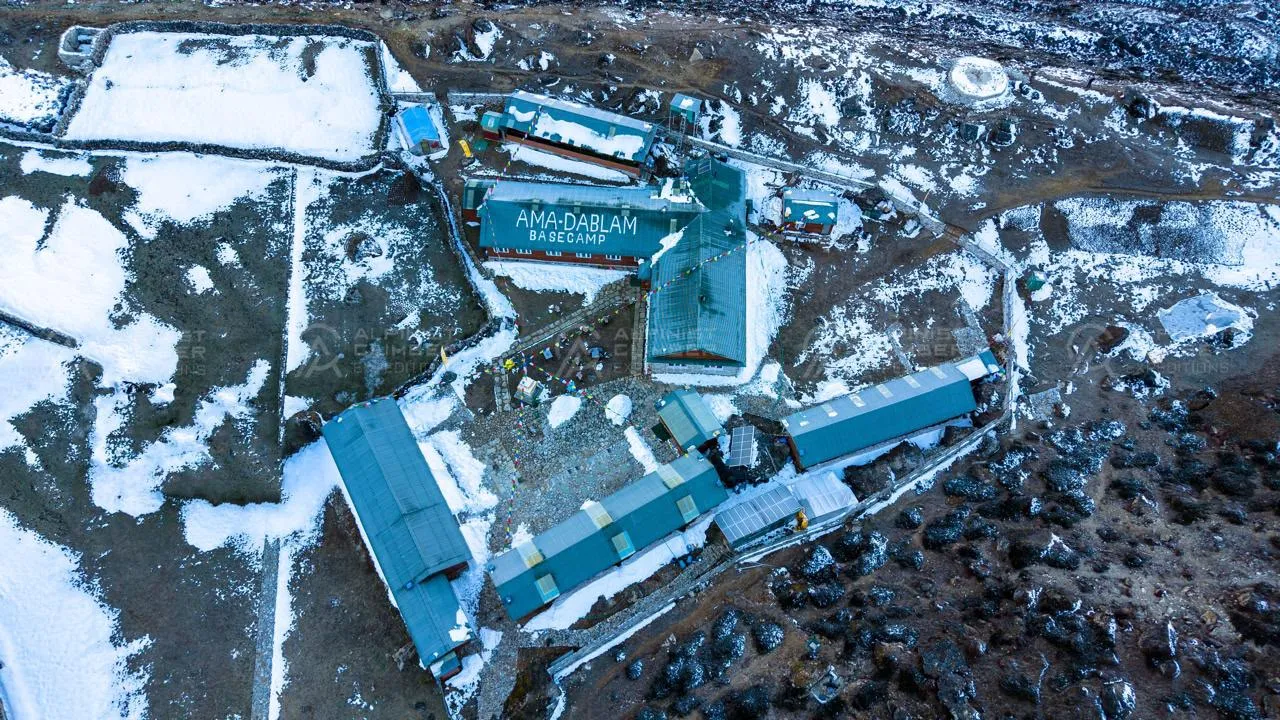
Base Camp Near Samagaun
Weather now Heavy snowfall and unpredictable conditions
Current status Resting at Base Camp


Where the Team Is Now


The team is resting at Manaslu Base Camp. Heavy snow has fallen, and the weather is hard to predict. When conditions are like this, moving up is not a good idea. We will go higher only when the weather and snow conditions allow it.


The Rotation Is Complete


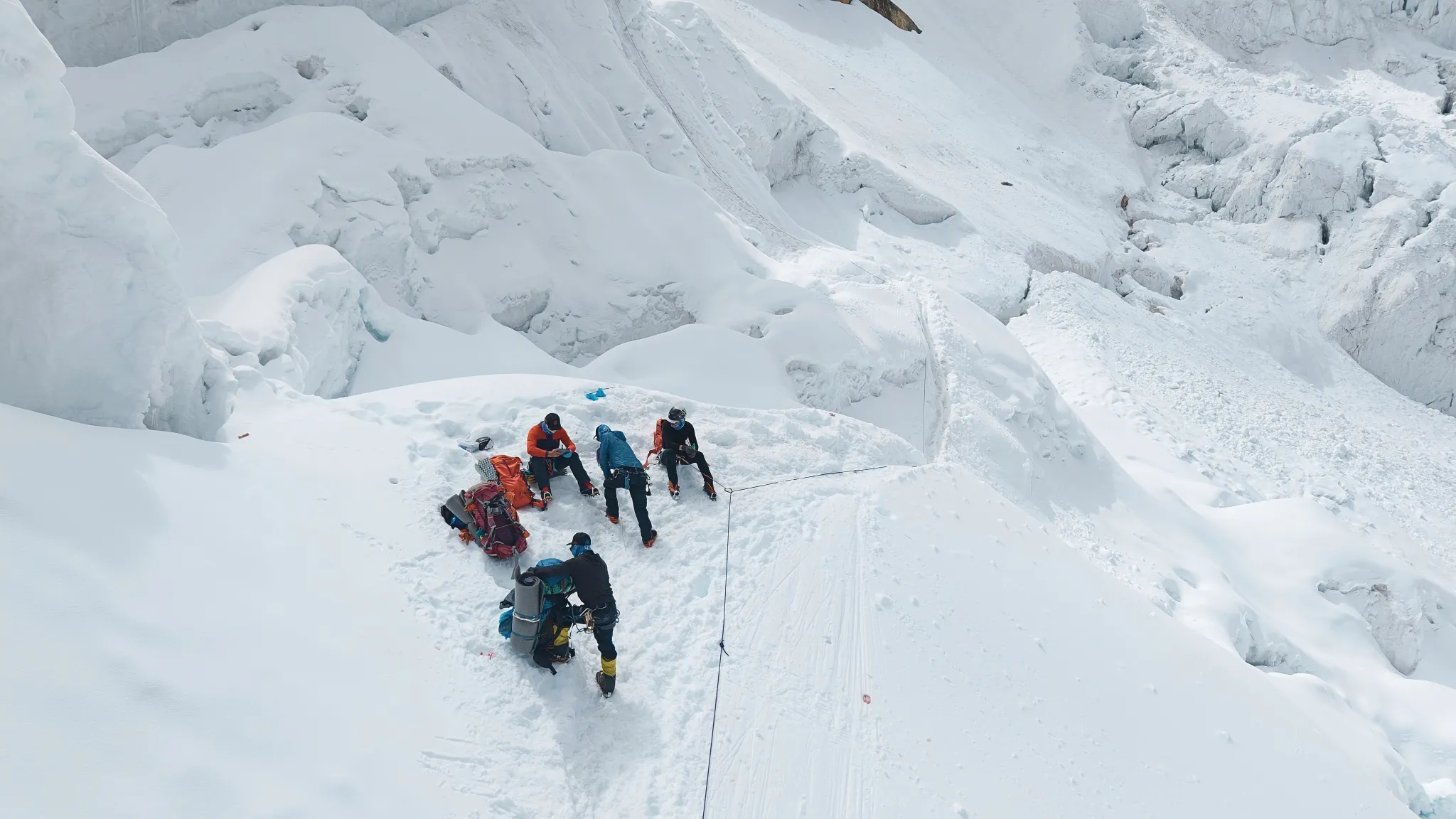
Our climbers have finished their acclimatization rotation on the mountain. They will be waiting at base camp till the snowfall settles down and favourable conditions are met.


The Summit Push Plan


This is our original schedule. It may change if the weather changes.


Date Plan
19th Rest at Base Camp
20th Move to Camp 2
21st Move to Camp 3
22nd Move to Camp 4. Start the summit push at 10 pm
23rd Summit day. Return to Camp 2
24th Return to Base Camp
25th Pack up at Base Camp
26th Trek to Samagaun

27th

Rest day in Samagaun

28th

Flight to Kathmandu


Because of the snow, the team is holding at Base Camp. We will post the new dates here when the plan is set.


Why Does the Summit Push Start at Night?


On 8,000-meter peaks, many teams leave the last high camp at night. This lets them reach the top in the morning and come down while there is still daylight. It also helps the team avoid strong winds and clouds that often come later in the day.


Why Fresh Snow Matters


Heavy snowfall makes the route slower and harder to see. It can also raise avalanche risk on the slopes. Guides usually wait for the snow to settle and for a clear weather window. Waiting is not a delay in the plan. It is part of the plan.


Safety Comes First


        The team has completed its acclimatization rotation.

        The team moves only when the guides are happy with the conditions.

        Weather decisions are made together by the guide team.


What Comes Next


The team will be waiting at base camp for favourable conditions while resting and acclimatizing their body as safety is always the number one concern and the summit comes second. If favourable conditions are met, the team will be preparing for the summit push accordingly.


About This Expedition


Alpinist Climber Expeditions is a Nepal-based company that has run Himalayan expeditions since 2021. Our climbs are led by IFMGA certified guides and experienced Sherpas, with safety as our first priority. If you dream of climbing a Himalayan peak, you are welcome to explore our upcoming expeditions.

Related Blogs

Chhuama IV First Ascent Report 2026
Expedition Journal

Chhuama IV First Ascent Report 2026

  In July 2026, a team from Alpinist Climber Expeditions climbed Chhuama IV, a 6,179-metre peak in the Mustang region of Nepal that no one had ever summited before. On 16 July, IFMGA Mountain Guide and Dynafit athlete Prakash Sherpa reached the top at 3:21 PM Nepal time, after teammate Barnaby Francis turned back roughly 250 metres from the summit because of dangerous rockfall. Six earlier permit teams had tried and failed to climb Chhuama IV. This was the seventh attempt, and it succeeded — making it the first recorded ascent of the mountain. This is the story of that expedition: how the team got to the mountain, what the route was actually like, and what happened during the final push to the summit.   About Alpinist Climber Expeditions Alpinist Climber Expeditions is a Nepal-based expedition company that has been running alpine-style expeditions in the Himalayan ranges of Nepal since 2021. The Chhuama IV climb fits the kind of objective the company tends to take on: a lesser-known peak, a small team, and a route that hadn't been fully worked out by anyone before them. Alpine-style climbing generally means moving with a small team and minimal fixed infrastructure on the mountain, relying on judgment and route-finding rather than large-scale siege tactics — and that approach mattered on Chhuama IV, where conditions changed quickly and decisions had to be made on the spot.   The Peak and Why This Expedition  Was Different Chhuama IV sits in the Mustang region of Nepal and stands 6,179 metres high. Before this expedition, six other permit teams had attempted the mountain. None of them reached the top. That history says something about the peak — this wasn't a case of nobody having tried. Climbers had gone up before, assessed the conditions, and turned back. Alpinist Climber Expeditions' team was the seventh group to hold a permit for Chhuama IV. Reaching the summit meant succeeding where six previous attempts hadn't, on a mountain with no established route and no prior summit to reference for conditions, timing, or line of ascent.   Preparing for the Expedition and the Approach  to Base Camp The trip began on 9 July 2026 with a drive from Kathmandu to Pokhara, followed the next day by the long drive from Pokhara to Jomsom. On 11 July, the team continued by road from Jomsom to Lo Manthang, the historic walled town in Upper Mustang. The team spent 12 July acclimatizing in Lo Manthang before moving on. On 13 July they drove from Lo Manthang to Nymdo, and on 14 July they trekked from Nymdo to Base Camp. The following day, 15 July, they moved up from Base Camp to Lower High Camp — the last stop before the summit attempt. This slower, staged approach — drive, acclimatize, drive again, then trek up in stages to Base Camp and Lower High Camp — gave the team time to adjust to altitude before the technical climbing began. Climbing Conditions on Chhuama IV Once the team got onto the mountain itself, the terrain turned out to be the main obstacle. The route up Chhuama IV involved long stretches of loose, unstable rock, slopes that could shift underfoot, and frequent rockfall. In the upper sections, there were only limited safe options for where to actually put a route, which meant the team had to keep reassessing the terrain as they climbed rather than following a fixed line. Weather added another layer of difficulty. Conditions changed often during the expedition, and on the day chosen for the summit push, the team had only a short window of favourable weather to work with. That combination — unstable ground below and a narrow weather window above — shaped almost every decision made on summit day.   The Summit Push : 16 July 2026 The team began its summit push from Lower High Camp on 16 July 2026. From early on, the upper mountain was hazardous. Rockfall was continuous, and the loose terrain meant every section had to be evaluated as they went, not assumed safe because it had been climbed before. Barnaby Francis climbed with the team through this section but made the decision to turn back approximately 250 metres below the summit. The reason was straightforward: the rockfall and the state of the terrain above made continuing unsafe. It was a judgment call made in the moment, based on what was actually happening on the mountain rather than on how close the summit looked. From that point, IFMGA Mountain Guide Prakash Sherpa continued alone. He worked through the difficult, unstable upper section and kept going where the conditions had stopped his teammate. This wasn't a case of pushing through recklessly — it reflects the kind of terrain assessment that comes with IFMGA-level guiding experience, where the decision to continue or turn back is made section by section.   Reaching the Summit Prakash Sherpa reached the summit of Chhuama IV, at 6,179 metres, at 3:21 PM Nepal Local Time on 16 July 2026. With six previous permit teams having failed to summit the mountain, this made Alpinist Climber Expeditions' team the first to do so. The expedition is recorded by the team as the first recorded ascent of Chhuama IV — a first ascent of a Nepal peak that had resisted six prior attempts before this one succeeded. After the summit, the team descended back toward Lower High Camp on the same day.   The Team's Experience  and the Way Down Barnaby Francis (UK) - Climber  Prakash Sherpa (Nepal) - Climber  Ngima Tashi Sherpa (Nepal) - Assistant The climbing team for this expedition was small: Barnaby Francis from the United Kingdom, IFMGA Mountain Guide Prakash Sherpa, and Ngima Tashi Sherpa as supporter. On a mountain with unstable rock and shifting weather, decisions had to be made quickly and by people who knew the terrain — which is part of why Barnaby Francis's decision to turn back, and Prakash Sherpa's decision to continue, both mattered as much as the summit itself. The descent and return followed a similarly staged plan to the approach. On 17 July, the team trekked roughly 2.5 hours down from Lower High Camp before driving on to Pokhara. On 18 July, they completed the trip with the drive from Pokhara back to Kathmandu.   What Made This First Ascent  Significant Chhuama IV wasn't an easy objective, and it wasn't an obscure line that simply hadn't attracted attention. Six permit teams before Alpinist Climber Expeditions had tried to climb it and hadn't succeeded, which points to real difficulty rather than a lack of interest. The loose rock, the rockfall, and the narrow weather windows on summit day were the actual obstacles that had stopped previous attempts — and they were still present for this expedition. What changed the outcome wasn't a shortcut around those conditions. Barnaby Francis's decision to turn back 250 metres from the top, made because the risk was too high, and Prakash Sherpa's decision to continue where conditions allowed it, together produced the first known summit of the mountain. Both decisions came from reading the same terrain and weather correctly.   Conclusion The Chhuama IV expedition, carried out by Alpinist Climber Expeditions in July 2026, resulted in the first recorded ascent of Chhuama IV 6,179-metre peak in Nepal's Mustang region — a mountain that had already turned back six permit teams before this one. On 16 July 2026, after Barnaby Francis turned back roughly 250 metres below the summit due to rockfall and unstable terrain, IFMGA Mountain Guide Prakash Sherpa continued and reached the top at 3:21 PM Nepal time. It wasn't a straightforward climb, and the notes from the expedition don't describe it as one. Loose rock, frequent rockfall, and a narrow weather window shaped nearly every part of the summit day. Given that history, reaching the summit of Chhuama IV for the first time is a meaningful outcome — one built on careful, terrain-by-terrain decision-making rather than a single dramatic push to the top.     #GuidingBeyondTheSummit  #Dynafit 

Aug 12, 2026 Read More →
Kyajo Ri Expedition Report 2022
Expedition Journal

Kyajo Ri Expedition Report 2022

  This report follows the climb from Kathmandu to the summit of Kyajo Ri (6,186m), through Lukla, Namche Bazaar, and the quiet Khumjung valley, up to a base camp shared with fresh snow leopard tracks, and finally to a 7:58 a.m. summit reached with no other team on the mountain.   If you're researching Kyajo Ri expedition before booking your own climb, this report also covers what most climbers want to know: how technical it is, how it compares to other Khumbu trekking peaks, and what the summit push really involves.   Expedition Overview •     Peak: Kyajo Ri, 6,186 m (20,296 ft) •     Region: Khumbu Region, between the Gokyo and Thame valleys, Everest Region, Nepal •     Summit Date: 3 May 2022 •     Starting Point: Kathmandu, via mountain flight to Lukla (Tenzing-Hillary Airport) •     Route: Lukla → Phakding → Namche Bazaar → Khumjung → Base Camp (4,550 m) → Camp 1 (acclimatization) → High Camp (5,300 m) → Summit, climbed in alpine style •     Guiding: Led by an IFMGA-certified mountain guide from Alpinist Climber Expeditions, supported by our climbing Sherpa staff •     Weather: Clear and stable on summit day, which made the demanding alpine-style push possible   Kyajo Ri is classified as a Group A trekking peak by the Nepal Mountaineering Association, but don't let that label undersell it. It's widely considered more technical than neighboring peaks like Island Peak or Lobuche East, with sustained sections of ice, rock, and snow that call for real alpine climbing skills rather than a straightforward walk-up.   Full Expedition Report   Kathmandu to Phakding The expedition began with a 30-minute mountain flight from Kathmandu to Tenzing-Hillary Airport in Lukla. We had lunch there with a beautiful view over the airport before setting off on a short hike down to Phakding village to spend the first night on the trail.   Phakding to Namche Bazaar The trail to Namche Bazaar crosses several bridges, including the Hillary suspension bridge, the highest in the region. The final kilometers climb steeply, but the views make you forget the effort. Arriving in Namche, we had a warm welcome from the local Sherpa community and settled into the Sherpa Barista Home lodge for the next two nights.   Acclimatization in Namche Bazaar We spent two days in Namche to acclimatize, using the time to visit local cultural museums and get to know the Sherpa community a little better. We also hiked up to the Everest View Point, both for altitude adjustment and for a first look at the highest mountain in the world.   Namche Bazaar to Khumjung From Namche, we continued to Khumjung village at 3,800 m, where we stayed overnight, rested, and made our final preparations before heading toward Kyajo Ri base camp.   Khumjung to Kyajo Ri Base Camp (4,550 m) Leaving Khumjung, the trail climbed over a steep hill before opening into a flat valley, where we set up base camp at 4,550 m.   Acclimatization at Base Camp and Camp 1 We spent two nights at base camp to acclimatize, including a hike up to Camp 1 to adjust to the higher elevation. The route to Camp 1 crosses moraine terrain, with striking views the whole way. This remote valley is also home to more wildlife than you'd expect — on the way up, we spotted fresh snow leopard tracks in the snow, left just minutes before we arrived. It's a reminder of how wild and untouched this part of the Khumbu still is.   Base Camp to High Camp (5,300 m) From base camp, we moved up to a high camp set between Camp 1 and Camp 2, at 5,300 m. We slept for only a few hours before the summit push. With no other teams climbing Kyajo Ri that season, the camps and the mountain itself were entirely ours.   Summit Day (3 May 2022) We left high camp at 1:00 a.m. Climbing in true alpine style through the night was demanding — the route mixed ice, rock, and deep snow, and with no other team having climbed the mountain that period, there was no packed trail to follow. Every section had to be worked out as we went.   The summit push was long and hard because of the snow conditions, but the weather stayed perfect throughout, which made it possible to keep pushing despite the difficulty. At 7:58 a.m., we reached the summit of Kyajo Ri. With the entire mountain to ourselves, we took time to enjoy the spectacular views before beginning the descent back to base camp.   Return to Namche Bazaar Everyone made it back safely to Namche Bazaar to rest, tired but glad to be down. Safety remained the priority from the first step in Lukla to the last one back in Namche — and it's that same approach we carry into every expedition that follows.   Challenges •     Climbing alpine style through the night with no packed trail to follow, since no other team had climbed the mountain that season •     Mixed technical terrain — ice, rock, and deep snow — on the summit push •     Difficult snow conditions that made the summit push longer and more physically demanding than expected •     A short rest window at high camp (5,300 m) before a 1:00 a.m. departure •     Multiple staged acclimatization stops (Namche, Khumjung, base camp, Camp 1) needed to prepare the body for a technical push above 5,000 m   Highlights •     Crossing the Hillary suspension bridge, the highest bridge in the region •     A first view of Everest from the Everest View Point above Namche Bazaar •     Fresh snow leopard tracks spotted on the way to Camp 1 •     Having the high camp — and the entire mountain — to ourselves for the whole climb •     Reaching the summit at 7:58 a.m. under a perfectly clear sky •     The warm welcome and cultural museums experienced in Namche Bazaar   Safety Kyajo Ri doesn't forgive careless decisions, and this climb reinforced why. With no other team on the mountain and no trail already broken, every route-finding call during the night push mattered.   We built the itinerary around layered acclimatization — two nights in Namche, an overnight in Khumjung, two nights at base camp with a hike to Camp 1 — before committing to a high camp at 5,300 m and the summit push. That staged approach, combined with careful pacing through the mixed ice, rock, and snow terrain, is what allowed the team to reach the summit and return safely despite the difficult conditions.   Safety is our number one priority at Alpinist Climber Expeditions, and on a peak as technical and remote as Kyajo Ri, that meant leaning fully on the judgment of our IFMGA-certified guide and experienced Sherpa climbing staff at every stage of the climb.   Conclusion Kyajo Ri gave us a mountain entirely to ourselves — no crowds, no packed trail, just our team working through ice, rock, and snow toward a 7:58 a.m. summit. It's a climb that demands more than most trekking peaks in the Khumbu, and it rewards that effort with a kind of solitude that's increasingly rare in this region.   The snow leopard tracks near Camp 1 stay with us as a reminder of how wild this valley still is, and how much respect a mountain like Kyajo Ri deserves. We're grateful for the safe climb, the clear weather on summit day, and the team that made it happen.   If a technical, less-crowded Himalayan summit is what you're after, we'd be glad to help you plan a safe, guided Kyajo Ri expedition with Alpinist Climber Expeditions — explore our upcoming departures to see what's next.  

May 03, 2022 Read More →
Cholatse Expedition Report 2022
Expedition Journal

Cholatse Expedition Report 2022

  Two high camps, a 250m headwall, and a midnight departure into deep snow and crevasses — Cholatse doesn't give up its summit easily. This report picks up right after our team's successful climb of Kyajo Ri, as we turned toward one of the most technical 6,000m peaks in the Khumbu.   This is the story of our Cholatse expedition (6,440m): a trek through Gokyo and across the Ngozumpa Glacier to reach Dragnak, a two-camp summit push through crevasses and steep snow, and a hard-earned summit that made every bit of the effort worth it.   If you're researching Cholatse before booking your own Cholatse expedition package, this report also covers what most climbers ask us: how technical the route really is, what the two-camp system looks like, and what kind of experience you need before attempting it.   Expedition Overview •     Peak: Cholatse, 6,440 m (21,128 ft) •     Region: Khumbu Region, near Gokyo and Dragnak, Everest Region, Nepal •     Summit Date: 15 May 2022 •     Starting Point: Namche Bazaar, via Gokyo and Dragnak •     Route: Namche Bazaar → Gokyo → Dragnak (via the Ngozumpa Glacier) → Base Camp (4,700 m) → Camp 1 (5,600 m) → Camp 2 (5,850 m) → Summit •     Guiding: Led by an IFMGA-certified mountain guide from Alpinist Climber Expeditions, supported by our climbing Sherpa staff •     Weather: Warm and sunny during the base camp rest days, with a long, demanding summit night through deep snow   Cholatse is widely regarded as one of the most technical 6,000m peaks in the Khumbu, with sustained mixed rock, ice, and snow climbing that's often compared to Ama Dablam in difficulty. It's a serious step up from trekking peaks like Kyajo Ri or Lobuche East, which is exactly why our team climbed it directly after Kyajo Ri, using the acclimatization already built up to take on a harder, more committing objective.   Full Expedition Report   Recovery in Namche Bazaar After the successful summit of Kyajo Ri, we headed back to Namche Bazaar for two days to recover and get ready for Cholatse. It was a chance to rest properly before turning toward a much more technical objective.   Gokyo and the Climb to Gokyo Ri (5,357 m) From Namche, we ascended to Gokyo, where we spent two days. Gokyo sits beside a large glacial lake, ringed by 6,000m peaks in every direction. We climbed up to Gokyo Ri (5,357 m) for a panoramic view over the lake and the surrounding mountains which is one of the best viewpoints in the entire region.   Gokyo to Dragnak via the Ngozumpa Glacier Leaving Gokyo, we hiked to Dragnak, the last village before Cholatse base camp. Getting there means crossing a long glacier flowing down from Mount Cho Oyu — the Ngozumpa Glacier. Along the way we passed several glacier lakes in a striking light-blue color, and at the far end of the glacier, Cho Oyu filled the skyline. We reached Dragnak and spent the rest of the day on final preparations for the climb.   Dragnak to Cholatse Base Camp (4,700 m) The walk to base camp took about an hour and a half from Dragnak. Base camp sits at 4,700 m in a flat valley that yaks wander through during the day to graze on the fresh grass. Our staff welcomed us with hot tea and a good meal as soon as we arrived.   Rest at Base Camp We took two rest days at base camp, though we didn't need much extra acclimatization since we were already adjusted from the Kyajo Ri climb. The days were warm and sunny providing the team with good conditions to relax and prepare gear before the summit push.   Base Camp to Camp 1 (5,600 m) After two days of rest, we left base camp and the summit push began. Because the route to the top is long, we planned it around two camps. On the way to Camp 1 we crossed several crevasses before climbing a 250m headwall. Camp 1 turned out to be a comfortable spot, set on a ridge col.   Camp 1 to Camp 2 (5,850 m) The next day we reached Camp 2 — small, exposed, but with a beautiful view in every direction. We rested for a few hours before heading out at midnight for the summit.   Summit Day (15 May 2022) The route from Camp 2 was long, with deep snow and numerous crevasses to negotiate through the night. We reached the summit of Cholatse in the morning, and after taking in the views, descended back to Camp 2 to sleep as the summit day had been long and genuinely tiring.   Return to Base Camp The next day we made it back down to base camp, where we celebrated our Cholatse summit. It had been a hard climb, but the views along the way made us forget about the effort it took to get there.   Challenges •     Multiple crevasse crossings on the way to Camp 1, requiring careful rope work •     A 250m headwall between base camp and Camp 1 •     A small, exposed Camp 2 (5,850 m) with only a few hours of rest before the summit push •     A long midnight summit push through deep snow and numerous crevasses •     A genuinely tiring summit day, requiring a recovery stop at Camp 2 before continuing the descent •     Tackling one of the Khumbu's more technical 6,000m peaks directly after a separate expedition on Kyajo Ri   Highlights •     The panoramic view from Gokyo Ri (5,357 m) over Gokyo Lake and the surrounding 6,000m peaks •     Crossing the Ngozumpa Glacier, with light-blue glacier lakes and Cho Oyu filling the skyline •     Yaks grazing beside base camp during warm, sunny rest days •     A comfortable Camp 1 set on a scenic ridge col •     Reaching the summit of Cholatse after a long, technical night climb •     Celebrating the summit back at base camp with the whole team   Safety Cholatse is not a peak that allows for shortcuts. Multiple crevasse crossings, a 250m headwall, and a long summit night through deep snow all demand careful, deliberate decision-making.   Having already acclimatized on Kyajo Ri gave the team a real advantage heading into Cholatse, reducing the extra rest needed at base camp and letting us focus on the technical demands of the route itself. Splitting the summit push across two camps (5,600 m and 5,850 m) kept the climb manageable, and resting at Camp 2 on the way down after a long summit day was an important call rather than pushing straight through to base camp.   As with every expedition we run, our IFMGA-certified guide and Sherpa climbing staff led the technical sections: the crevasse crossings, the headwall, and the roped travel through deep snow on summit night with safety as the deciding factor at every stage.   Conclusion Climbing Cholatse directly after Kyajo Ri pushed the team in a different way as this wasn't a technical trekking peak, but one of the more serious technical objectives in the Khumbu, with a long two-camp summit push through crevasses and deep snow. It was a hard climb from start to finish.   But the views from Gokyo Ri, across the Ngozumpa Glacier, and finally from the summit itself made the effort worth it. We're grateful for a safe climb, a strong team, and a mountain that earned every bit of our respect.   If a serious technical objective like Cholatse is on your list, we'd be glad to help you plan a safe, well-guided climb with Alpinist Climber Expeditions — explore our upcoming expeditions to see what's next.  

May 15, 2022 Read More →
Client Stories

From the Summit

Daniel Puttkemery
Daniel Puttkemery
Kyajo Ri Expedition
Prakash and his team are a couple of notches above totally professional! Everyone in the Alpinist Climber Expeditions family goes out of their way to provide the best possible experience. Superb core values and safety principles. I had the good fortune of climbing Kyajo Ri with Alpinist Climber Expeditions and…
Luca Smargiasso
Luca Smargiasso
Ama Dablam + Kyajo Ri + Cholatse
I have been climbing for 15 years, over 4 continents. This was my 3rd trip to Nepal. And this was undoubtedly one of the Best-organised expeditions have participated in. Cannot thank Prakash and his Team enough. The attention to detail both in terms of equipment, climbing conditions, and accommodation/food was…
Raphael Lindenmann
Raphael Lindenmann
Kyajo Ri
In April 2025, we completed an unforgettable expedition to Kyajo Ri with ACE. We were four friends from Switzerland and enjoyed about two and a half weeks in the Khumbu region. From our arrival in Kathmandu to the summit and back, ACE's organization was impeccable.A well-coordinated team, superb support, excellent…
Andy Tronsberg
Andy Tronsberg
Kyajo Ri & Island Peak
Perfect organised and guided expedition I ever took part! We climbed island peak and kyajo ri alpine style! Safety is always first, all team members are super kind and professional and also laughing comes not to short! Thanks for this unforgettable experience!! Andreas.
Rogier Keulen
Rogier Keulen
Kyajo Ri & Cholatse
With IFMGA guide Prakash we climbed Kyajo Ri and Cholatse. Our expedition couldn't have been any better! We had a lot of fun and summiting stunning Cholatse is the most intense thing I've done. We did it alpine style, so without fixed ropes from bottom to top. Safety was a…
Manu Laireiter
Manu Laireiter
Kyajo Ri
I participated in a private expedition to Kiayo Ri with Alpinist Climber Expeditions and it was simply fantastic. From the initial consultation to the final summit push, everything was perfectly organized and tailored to my individual needs. The guides were not only highly professional and extremely experienced in high-altitude mountaineering,…
Expedition Journal

Dispatches from the Mountains

All Articles
Manaslu Expedition 2026 Update: Summit Push Plan and Weather at Base Camp
Expedition Report

Manaslu Expedition 2026 Update: Summit Push Plan and Weather at Base Camp

Heavy snow has covered Manaslu Base Camp. Our team has finished its acclimatization rotation and is preparing for the summit push. But on an 8,000-meter mountain, the weather makes the final call.   Alpinist Climber Expeditions is on Manaslu (8,163 m) in Nepal, led by IFMGA guide Prakash Sherpa. This page shows where the team is and what the summit push plan looks like. We will update it as things change.   Heavy Snowfall in Manaslu Base Camp   Expedition Overview   Mountain Manaslu, 8,163 m, the 8th highest mountain in the world Location Gorkha District, Nepal (Manaslu Conservation Area) Season Autumn 2026 Guide Prakash Sherpa, IFMGA Certified Mountain Guide Base Camp Near Samagaun Weather now Heavy snowfall and unpredictable conditions Current status Resting at Base Camp     Where the Team Is Now   The team is resting at Manaslu Base Camp. Heavy snow has fallen, and the weather is hard to predict. When conditions are like this, moving up is not a good idea. We will go higher only when the weather and snow conditions allow it.     The Rotation Is Complete   Our climbers have finished their acclimatization rotation on the mountain. They will be waiting at base camp till the snowfall settles down and favourable conditions are met.     The Summit Push Plan   This is our original schedule. It may change if the weather changes.   Date Plan 19th Rest at Base Camp 20th Move to Camp 2 21st Move to Camp 3 22nd Move to Camp 4. Start the summit push at 10 pm 23rd Summit day. Return to Camp 2 24th Return to Base Camp 25th Pack up at Base Camp 26th Trek to Samagaun 27th Rest day in Samagaun 28th Flight to Kathmandu   Because of the snow, the team is holding at Base Camp. We will post the new dates here when the plan is set.     Why Does the Summit Push Start at Night?   On 8,000-meter peaks, many teams leave the last high camp at night. This lets them reach the top in the morning and come down while there is still daylight. It also helps the team avoid strong winds and clouds that often come later in the day.     Why Fresh Snow Matters   Heavy snowfall makes the route slower and harder to see. It can also raise avalanche risk on the slopes. Guides usually wait for the snow to settle and for a clear weather window. Waiting is not a delay in the plan. It is part of the plan.     Safety Comes First   •        The team has completed its acclimatization rotation. •        The team moves only when the guides are happy with the conditions. •        Weather decisions are made together by the guide team.     What Comes Next   The team will be waiting at base camp for favourable conditions while resting and acclimatizing their body as safety is always the number one concern and the summit comes second. If favourable conditions are met, the team will be preparing for the summit push accordingly.     About This Expedition   Alpinist Climber Expeditions is a Nepal-based company that has run Himalayan expeditions since 2021. Our climbs are led by IFMGA certified guides and experienced Sherpas, with safety as our first priority. If you dream of climbing a Himalayan peak, you are welcome to explore our upcoming expeditions.

Sep 19, 2026 Read Article →
Stay Connected